chapter two
2 Types of machine learning
In this chapter
- three types of machine learning: supervised, unsupervised, and reinforcement learning
- the difference between labeled and unlabeled data
- the difference between regression and classification, and how they are used
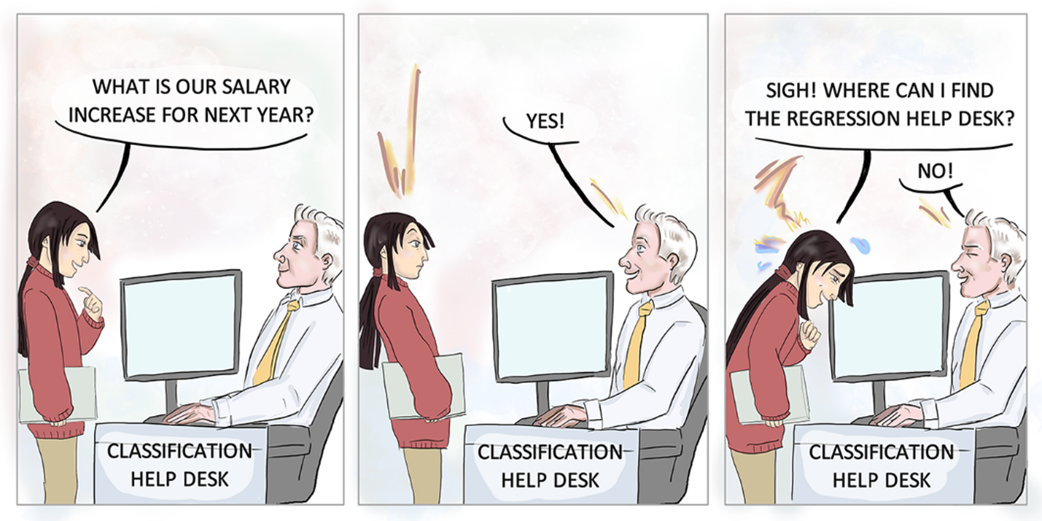
As we learned in chapter 1, machine learning is common sense for a computer. Machine learning roughly mimics the process by which humans make decisions based on experience, by making decisions based on previous data. Naturally, programming computers to mimic the human thinking process is challenging, because computers are engineered to store and process numbers, not make decisions. This is the task that machine learning aims to tackle. Machine learning is divided into several branches, depending on the type of decision to be made. In this chapter, we overview some of the most important among these branches.
Machine learning has applications in many fields, such as the following: