concept people in category AI

This is an excerpt from Manning's book Zero to AI: A non-technical, hype-free guide to prospering in the AI era.
Three groups of people profited the most by this leap in technology: tech entrepreneurs, the venture capitalists that showered them with money, and the few AI experts that saw their salaries balloon to seven figures because of the scarcity of talent.
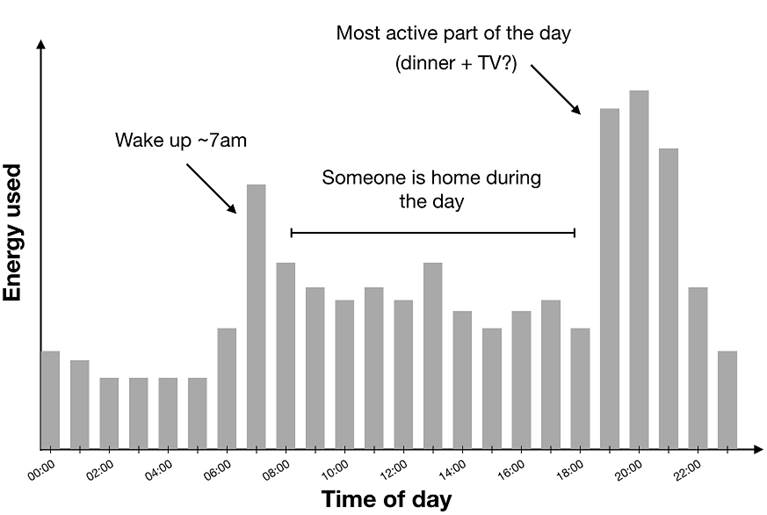
Transferring input data to the model is very much dependent on the application and the type of data you’re working with. It also happens at two separate stages in the lifetime of the project, and both are commonly put under the “infrastructure” umbrella of tasks. During the model development stage (and more specifically before training can begin), Engineers need training data to work with, and thus software that can pull it from whenever it is. In the previous section, we have seen many examples of data sources. In some cases, it’s enough for your team to set up an automated pipeline that can pull data from the internal systems of your organization, like a CRM or ERP. It’s not hard to imagine more complex data ingestion pipelines, like in Chapter 2 where we pulled data from a government website.
After the model is done and the product has deployed, there’s going to be a bit of software that collects the model input (be it images, text, or just a few numbers) and makes it available for execution. In many projects, this aspect is trivial because it’s embedded in a larger project, like a website or a mobile application. Elsewhere, this might not be the case: think about all the effort that needed to be done before Google’s environmental control models had real-time access to thousands of temperature and humidity sensors scattered across the datacenter.

This is an excerpt from Manning's book Succeeding with AI: How to make AI work for your business.
Although an engineering background or previous deep knowledge about AI isn’t required, an open mind and a willingness to facilitate conversations between people with technical and business backgrounds is.
This is partially true. Actually, in at least one situation, it’s completely true: if $ stands for cost, you can rest assured that, most certainly, those systems (and people operating them) would come with a significant cost. But if you want $ to stand for profit, the equation looks somewhat different: