concept technology in category AI

This is an excerpt from Manning's book Zero to AI: A non-technical, hype-free guide to prospering in the AI era.
As humans, we’ve always tried to find ways to understand the world around us and bend Nature to meet our goals. To do so, we have always relied on external tools that amplify our brain’s capabilities.
When the first airlines opened up to civil transport after World War II, airplanes were unreliable and, frankly, dangerous beasts. With only limited experience from military aircraft (whose life is not that long for obvious reasons), Engineers didn’t have a good understanding of how the aircraft would fail during operation: misfiring engines, cracks in the fuselage, and so on.. Over the following decades, they put together enough knowledge, theory, and experience, to make air travel the extremely safe form of transportation that we enjoy today. As humanity starts relying on AI for life-or-death situations, like health care or autonomous transportation, our understanding of its limits needs to grow accordingly. This section will teach you about two important failure modes of AI: corner cases and adversarial attacks.

This is an excerpt from Manning's book Succeeding with AI: How to make AI work for your business.
I wrote this book for the business leader who is tasked with delivering results with AI and views technology as a vehicle to deliver those results. I also wrote it for the leadership team that’s working with and advising such a business leader. This section provides an overview of the skills these leaders need to follow the book.
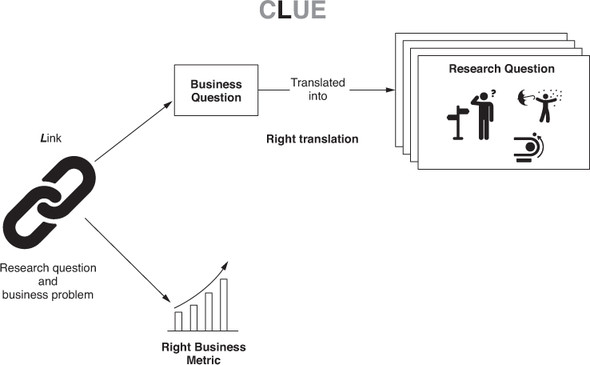
In chapter 3, you selected your first AI project to run. Now you have the research questions that project needs to answer. This chapter shows you how to properly organize that project by using metrics to link a business problem with the technical solution you’re building. It also shows you how to understand what your technical progress means when translated into a business result. Finally, it shows you how to avoid typical organizational obstacles you might meet in your quest to link business and technology. But before we get to all that, I’ll first explain what causes the average organization to fall into the trap of making AI project decisions based on intuition as opposed to data.