concept set in category algorithms

This is an excerpt from Manning's book Algorithms and Data Structures in Action.
Insertion of an element.
Listing 3.10 method RandomizedTreap::insert
function insert(key)                            #1
  return this.treap.insert(key, this.randomGenerator.next())        #2
Figure 7.13 Using a synchronized implementation for the cache, we can avoid race conditions. In the example shown in figure 7.12, a synchronized data structure requires any thread to acquire a lock on it (B) before being able to write a value (C). If another thread tries to acquire the lock while it is still in use by thread N, it will be left waiting till the lock is released (D).
After that (not shown in the figure), the waiting thread can acquire the lock, or possibly compete with other threads trying to acquire it.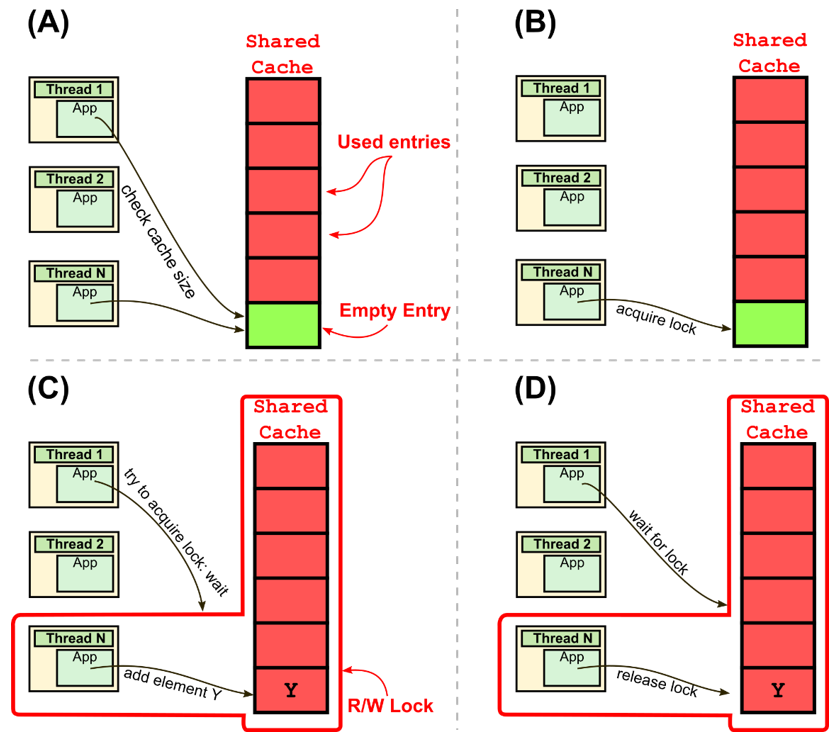

This is an excerpt from Manning's book Grokking Artificial Intelligence Algorithms.
Supervised learning means training models with algorithms when the training data has known outcomes for a question being asked, such as determining the type of fruit if we have a set of data that includes the weight, color, texture, and fruit label for each example.
Unsupervised learning uncovers hidden relationships and structures within the data that guide us in asking the dataset relevant questions. It may find patterns in properties of similar fruits and group them accordingly, which can inform the exact questions we want to ask the data. These core concepts and algorithms helps us create a foundation for exploring advanced algorithms in the future.