concept latency in category chaos engineering

This is an excerpt from Manning's book Chaos Engineering.
Second, using the data we observe, we need to define what’s normal. This is so that we can understand when things are out of the expected range. For instance, we might expect the CPU load on 15 minute average to be below 20% for our application servers during the working week. Or 500 to 700 requests per second per instance of our application server running with four cores on our reference hardware specification. This normal range is often referred to as steady state.
The definition of “being slow” is wildly contextual. A person spending 45 minutes picking something to watch on Netflix will likely get offended by an accusation of being slow, but the same person waiting the same 45 minutes for a life-saving organ donation to be delivered from a different hospital will have a very different experience of time (unless they’re in anesthesia). Time truly is relative.
NAME
       tc - show / manipulate traffic control settings

SYNOPSIS
       tc  [ OPTIONS ] qdisc [ add | change | replace | link | delete ] dev DEV [ parent qdisc-id | root ] [ handle qdisc-id ] [
       ingress_block BLOCK_INDEX ] [ egress_block BLOCK_INDEX ] qdisc [ qdisc specific parameters ]

(...)

        OPTIONS  := { [ -force ] -b[atch] [ filename ] | [ -n[etns] name ] | [ -nm | -nam[es] ] | [ { -cf | -c[onf] } [ filename
       ] ] [ -t[imestamp] ] | [ -t[short] | [ -o[neline] ] }

        FORMAT := { -s[tatistics] | -d[etails] | -r[aw] | -i[ec] | -g[raph] | -j[json] | -p[retty] | -col[or] }
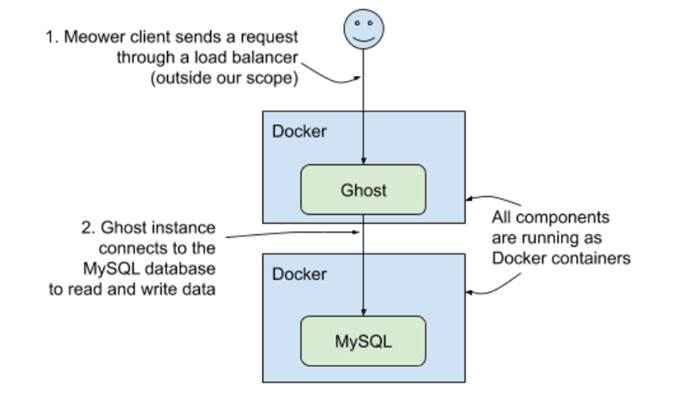
Figure 5.15 Simplified overview of Meower USA technical architecture