concept calculation in category churn

This is an excerpt from Manning's book Fighting Churn with Data.
So far, the calculations have assumed you want to calculate the churn rate over one month. As I mentioned, it is possible to calculate churn over any time period, and most B2B product subscriptions calculate churn as an annual number to better reflect the typical length of a subscription. That's fine because the calculation is the same, and using the same code to calculate annual churn is as easy as changing the start and end to suitable dates one year apart. But what if a company wants to calculate an annual churn rate but has been in operation for less than a year, or has less than a year’s data in the database for some other reason? This is not a problem because you can convert a churn rate from a shorter period (like a month) to a longer period (like a year). But the relationship between churn measured over one month and churn measured over one year is not completely straightforward.
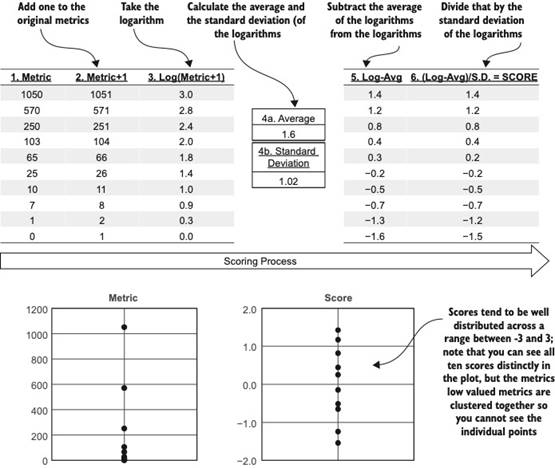
Figure 5.14 Example scoring calculation.