concept data platform in category cloud

This is an excerpt from Manning's book Designing Cloud Data Platforms.
The next section explains why a data warehouse alone just won’t deliver on the growth in data variety, volume and velocity being experienced today, and how combining a data lake with a data warehouse to create a data platform can address the challenges associated with today’s data: variety, volume and velocity, otherwise known as the Three V’s.
Now that we’ve covered off what a data platform is (as a reminder it is “
a cloud-native platform capable of cost-effectively ingesting, integrating, transforming and managing an almost unlimited amount of data of any type data in order to facilitate analytics outcomes.”), what is driving the need for a data platform and how changes in data will shape your data platform, we will explore in more detail why a cloud data platform provides more capabilities as opposed to a data warehouse only architecture. In this chapter we will equip you with the knowledge necessary to make a solid argument for a data platform and will walk you through several examples demonstrating the difference between the two approaches (data warehouse only and data platform).
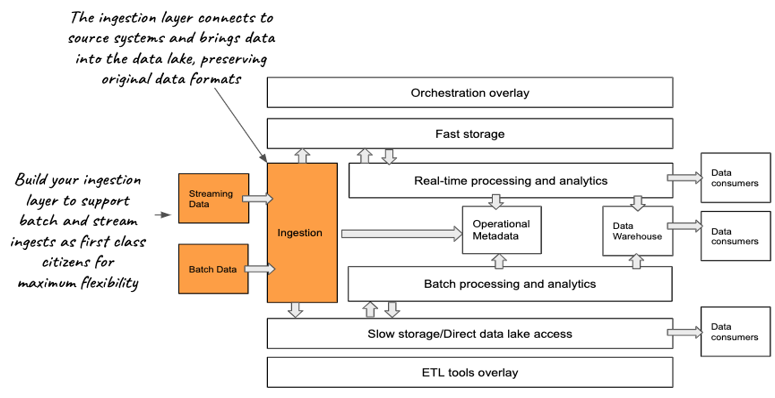
Figure 3.3. The Data ingestion layer connects to the source system and brings data into the data platform