concept dependency in category microservice

This is an excerpt from Manning's book Microservices in Action.
What are the application’s dependencies on other tools?
Figure 6.1 A simple microservice system, illustrating dependencies between collaborating services
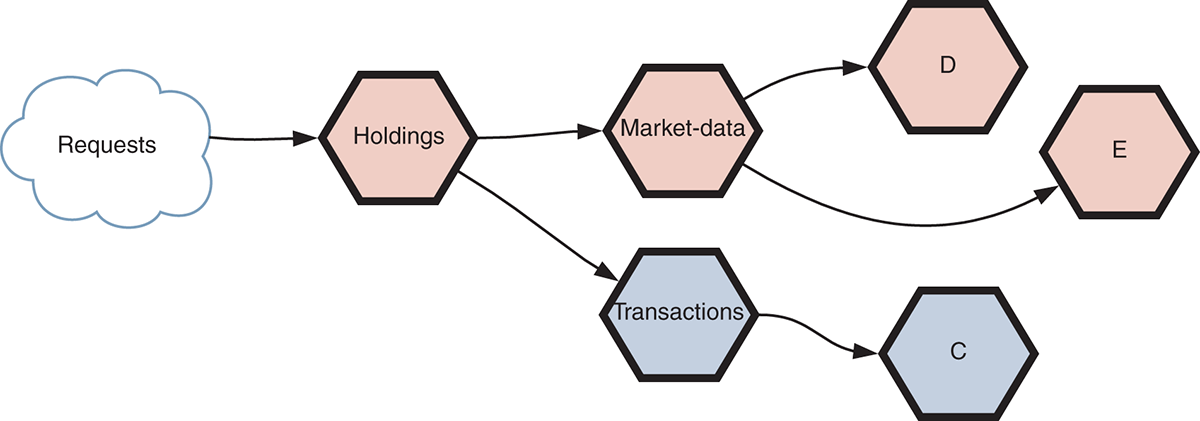
Table 6.3 Sources of dependency-related failure
In addition to operational sources of failure, such as timeouts and service outages, dependencies are prone to errors caused by design and build failures. For example, a service may rely on an endpoint in another service that’s changed in a nonbackwards-compatible way or, even worse, removed completely without appropriate decommissioning.

This is an excerpt from Manning's book Testing Java Microservices: Using Arquillian, Hoverfly, AssertJ, JUnit, Selenium, and Mockito.
Solitary unit testing should focus on the interaction around a single object class. The test should encompass only the class’s own dependents or dependencies on the class. You’ll usually test resource, persistence, and remote components using solitary tests, because those components rarely need to collaborate with each other; see figure 1.12.
If you’re using Maven for your build, adding the dependencies for Arquillian is trivial. Declare the BOM using the import scope in the <dependencyManagement> section of your project pom.xml. You can see in the following listing that a WildFly (http://wildfly.org) BOM is provided. BOMs are useful!
Listing 7.4. Adding dependencies
<dependency>
    <groupId>de.flapdoodle.embed</groupId>
    <artifactId>de.flapdoodle.embed.mongo</artifactId>
    <version>2.0.0</version>
    <scope>test</scope>
</dependency>
<dependency>
    <groupId>com.github.kstyrc</groupId>
    <artifactId>embedded-redis</artifactId>
    <version>0.6</version>
</dependency>