concept load in category nosql
appears as: load, loads, load

This is an excerpt from Manning's book Making Sense of NoSQL.
Figure 3.8. Replication and mirroring—how applications are configured to read and write all their data to a single master database. Any change in the master database immediately triggers a process that copies the transaction information (inserts, updates, deletes) to one or more slave systems that mirror the master database. These slave servers can quickly take over the load of the master if the master database becomes unavailable. This configuration allows the database to provide high availability data services.
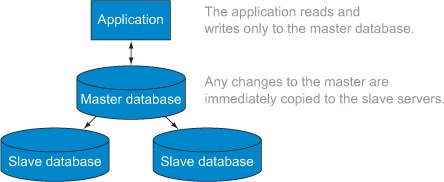
Figure 8.1. Frequency distribution chart showing mean vs. 95th percentile response times. Notice two web service response distributions for two NoSQL key-value data stores under load. Service A has a faster mean value response time but much longer response times at the 95th percentile. Service B has longer mean value response times but shorter 95% value responses.
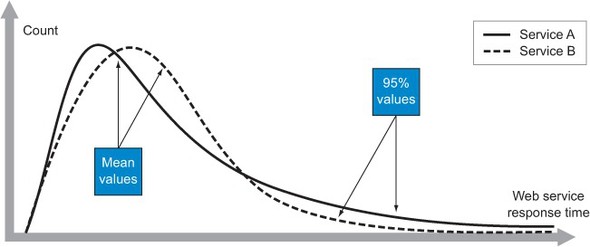
When Sally looks at the data, she sees that service A has faster mean response times. But at the 95th percentile level, they’re longer than service B. Service B may have slower average response times, but they’re still within the web page load time goals. After discussing the results with the business unit, the team selects service B, since they feel it’ll have more consistent response time under load.