concept core in category parallel computing

This is an excerpt from Manning's book Parallel and High Performance Computing.
Distributed Computing versus Parallel Computing: There are parallel applications that use a lower-level approach to parallelism called distributed computing. We define distributed computing as a set of loosely-coupled processes that cooperate via operating system level calls. While distributed computing is a subset of parallel computing, the distinction is important. Examples of distributed computing applications include peer-to-peer networks, the World-Wide Web, and internet mail. The Search for Extraterrestial Intelligence SETI@home is just one example of many scientific distributed computing applications.
Figure 9.10 On the left is the standard data movement for sending data from a GPU to other GPUs. On the right, the data movement bypasses the CPU when moving data from one GPU to another.
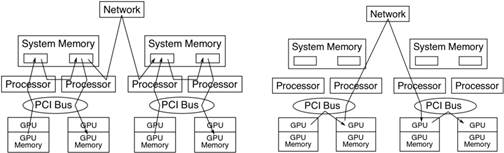
Figure 14.2 Output from lscpu command for Intel Skylake Gold processor.
Architecture:          x86_64
CPU op-mode(s):        32-bit, 64-bit
Byte Order:            Little Endian
CPU(s):                88
On-line CPU(s) list:   0-87
Thread(s) per core:    2
Core(s) per socket:    22
Socket(s):             2
NUMA node(s):          2
Vendor ID:             GenuineIntel
CPU family:            6
Model:                 85
Model name:            Intel(R) Xeon(R) Gold 6152 CPU @ 2.10GHz
Stepping:              4
CPU MHz:               1000.012
CPU max MHz:           3700.0000
CPU min MHz:           1000.0000
BogoMIPS:              4200.00
Virtualization:        VT-x
L1d cache:             32K
L1i cache:             32K
L2 cache:              1024K
L3 cache:              30976K
NUMA node0 CPU(s):     0-21,44-65
NUMA node1 CPU(s):     22-43,66-87
Flags:                 fpu vme de pse tsc msr pae mce cx8 apic sep mtrr pge mca cmov pat pse36 clflush dts acpi mmx fxsr sse sse2 ss ht tm pbe syscall nx pdpe1gb rdtscp lm constant_tsc art arch_perfmon pebs bts rep_good nopl xtopology nonstop_tsc aperfmperf eagerfpu pni pclmulqdq dtes64 monitor ds_cpl vmx smx est tm2 ssse3 sdbg fma cx16 xtpr pdcm pcid dca sse4_1 sse4_2 x2apic movbe popcnt tsc_deadline_timer aes xsave avx f16c rdrand lahf_lm abm 3dnowprefetch epb cat_l3 cdp_l3 invpcid_single intel_ppin intel_pt mba tpr_shadow vnmi flexpriority ept vpid fsgsbase tsc_adjust bmi1 hle avx2 smep bmi2 erms invpcid rtm cqm mpx rdt_a avx512f avx512dq rdseed adx smap clflushopt clwb avx512cd avx512bw avx512vl xsaveopt xsavec xgetbv1 cqm_llc cqm_occup_llc cqm_mbm_total cqm_mbm_local dtherm ida arat pln pts pku ospke
The output from
lscpuconfirms that there are two threads per core and two NUMA domains. The processor numbering seems a little odd, but by having the first 22 processors on the first node and then skipping to have the next 22 processors on the second node, we leave the hyperthreads to be numbered last.