concept letter in category python
This is an excerpt from Manning's book Tiny Python Projects: Learn coding and testing with puzzles and games.
def main():
    args = get_args()
    for letter in args.letter:
        print(letter)

This is an excerpt from Manning's book Hello World! Third Edition.
You just created a thing that’s made up of the letters “Mr. Morton”, and you gave it the name Teacher.
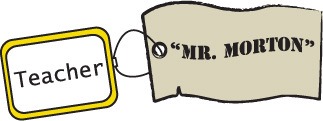
The equal sign (=) tells Python to assign or “make equal to.” You assigned the name Teacher to the series of letters “Mr. Morton”. A name is like a label or tag or a sticky note that you attach to something to identify what it is.
Somewhere in a chunk of your computer’s memory, the letters “Mr. Morton” exist, but you don’t need to know exactly where. You told Python that the name for that series of letters is Teacher, and that’s how you’ll refer to it from now on.
Notice that the letters are not in order. That’s because append() adds the item to the end of the list. If you want the items in order, you’ll have to sort them. We’ll get to sorting very soon.
if 'a' in letters:
    print("found 'a' in letters")
else:
    print("didn't find 'a' in letters")