concept decision in category raspberry pi
This is an excerpt from Manning's book Hello Raspberry Pi!: Python programming for kids and other beginners.

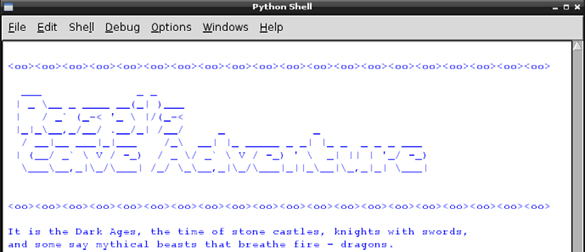
Like a great book, a game can create an entire imaginary world in your mind. One of the most exciting aspects of games is when you feel like you’re inside the game. This doesn’t require virtual-reality goggles or high-definition graphics. You can create this immersive feeling even in a completely text-based game by connecting with the player’s imagination and creating a world where they can make decisions and determine their own fate. To create games with imaginary worlds, you often have to generate a sense of depth by having the user move from room to room or scene to scene. The game should allow the user to choose their own path and introduce elements of surprise. Finally, you should also have some great descriptions that make the player feel like they’re in the room.