concept con in category reinforcement learning

This is an excerpt from Manning's book Grokking Deep Reinforcement Learning.
You could formulate any ML problem as a DRL problem, but this is not always a good idea for multiple reasons. You should know the pros and cons of using DRL in general, and you should be able to identify what kind of problems and settings DRL is good and not so good for.
1.3.1 What are the pros and cons?
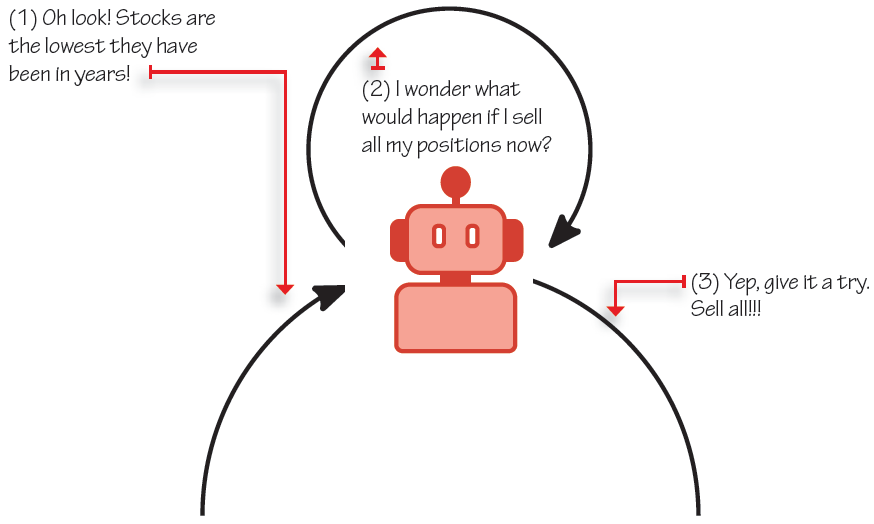
Beyond a technological comparison, I would like you to think about the inherent advantages and disadvantages of using DRL for your next project. You will see that each of the points highlighted can be either a pro or a con depending on what kind of problem you are trying to solve. For instance, this field is about letting the machine take control. Is this good or bad? Are you OK with letting the computer make the decisions for you? There is a reason why DRL research environments of choice are games: it could be very costly and dangerous to have agents training directly in the real world. Can you imagine a self-driving car agent learning not to crash by crashing? In DRL, the agents will have to make mistakes. Are you able to afford that? Are you willing to risk the negative consequences—actual harm—to humans? Considered these questions before starting your next DRL project.
Figure 1.19 Deep reinforcement learning agents will explore! Can you afford mistakes?
You will also need to consider how your agent will explore its environment. For instance, most value-based methods explore by randomly selecting an action. But other methods can have more strategic exploration strategies. Now, there are pros and cons to each, and this is a tradeoff you will have to become familiar with.