concept software engineering in category software development

This is an excerpt from Manning's book Agile ALM: Lightweight tools and Agile strategies.
Software engineering, from a historical perspective, is a young discipline. In the early stages, software development was seen more as a factory process and not as a complex activity aimed at implementing business objectives. In recent decades, software development has been evolving, initially to make life easier for developers and finally to answer internally and externally driven needs for productivity and quality.
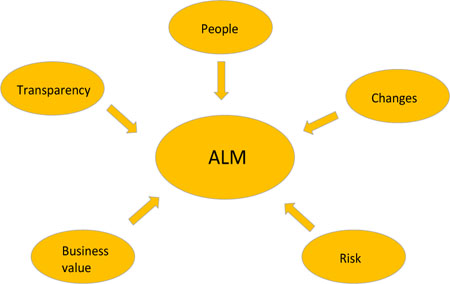
Software engineering has always focused on improving quality and productivity. This may involve reusing well-defined requirements or software components. Many companies spend years developing applications and continuously extend their portfolio with new ones. By repeatedly implementing the same requirements instead of reusing existing assets (which exist because you’ve implemented the same requirements before) and not using strategies for tracking artifacts (such as builds, test results, packages), the development team will be ineffective and inefficient. Developing software in a suboptimal way leads to poor quality, missed customer needs, and late arrival to the market.