concept modularity in category spring

This is an excerpt from Manning's book Spring Dynamic Modules in Action.
Spring DM—or Spring Dynamic Modules for OSGi Service Platforms, as it’s more formally called—is about using the Spring programming model in OSGi applications. If you’re a Java programmer, you have probably heard of, or used, Spring—the dependency injection framework for Java. But what about OSGi? This dynamic module system for Java may be less familiar; but no matter, Spring DM is about OSGi for the masses, providing OSGi’s modularity features in a neat Spring-shaped package. You don’t need to get too involved in the nitty-gritty of OSGi to benefit from its features.

This is an excerpt from Manning's book Dependency Injection: Design Patterns Using Spring and Guice.
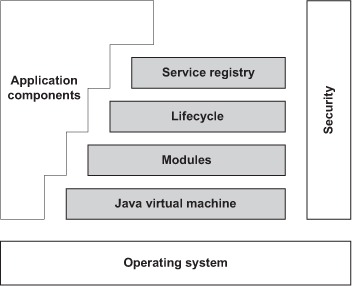
Checking spelling and editing text are two core parts of any email application. Both deal with application logic and are thus focused on business purpose. However, neither is especially related to the other. It behooves us to separate them from each other just as we would separate any infrastructure code from the two of them. In other words, separating logic by area of concern is good practice. Figure 4.3 shows a group of modules, separated by area of application as well as infrastructure concern. This kind of modularity is indicative of healthy design.