concept day in category system administration

This is an excerpt from Manning's book Operations Anti-Patterns DevOps Solutions.
In June of 2009, Patrick Debois was back in Belgium, watching a live stream of the O’Reilly Velocity 09 conference. At this conference, two employees from Flickr, John Allspaw and Paul Hammond, gave a talk titled “10 deploys per day. Dev & ops cooperation at Flickr.” Patrick was moved by the talk and was inspired to start his own conference in Ghent, Belgium. He invited, developers and operations professionals to discuss different approaches to working together, managing infrastructure and rethinking the way the teams worked together. Patrick called this two-day conference, DevOps Days. A lot of the conversations about the conference was happening on Twitter, which limited the number of characters per message to 140. In order to save as many precious characters as possible, Patrick shortened the hashtag to be used on Twitter from #devopsdays to just plain #devops, and with that, DevOps was born.
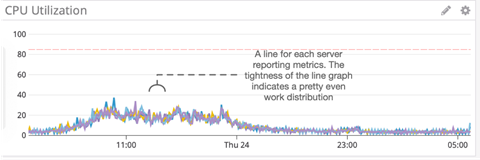
Figure 4.2 Display of multiple servers and their CPU utilization throughout the day
If you’ve ever been to a hospital, you’ll realize that machines make noises all day long. Nurses aren’t running back and forth between rooms in a tizzy, because they’ve become completely desensitized to the sounds. There are major alarms that everyone reacts to, but for the most part blips and beeps hum throughout the day without any real reactions from the staff they’re intended to keep updated. Meanwhile, as a patient unattuned to those sounds, you’re going into a panic every time a machine starts flashing lights. The same thing happens in technology. I’m sure you have your alarm that says, “The website is down,” and that alert triggers an intense triage process. But that low disk space alert that fires every night is usually ignored, because you know that when the log-rotate script runs at 2am, you’ll reclaim most of that disk space.