liveBook · Manning

Architecture analysis tooling

As explained in Architecture Modernization: Socio-technical alignment of software, strategy, and structure

Architecture analysis tooling is software that examines a system's structure, dependencies, code health, and development history to reveal architectural characteristics.

Architecture analysis tooling examines codebases and other system signals to expose complexity, code health, knowledge loss, and modernization priorities. It complements assessment of tests, quality attributes, organizational understanding, and operating cost. section 12.4.3

Making ownership gaps visible

A CTO used CodeScene to identify system areas with no owners and areas maintained mostly by contractors, then used visualizations to justify changes to leadership. The visual presentation made knowledge loss understandable to a nontechnical audience. section 12.4.3
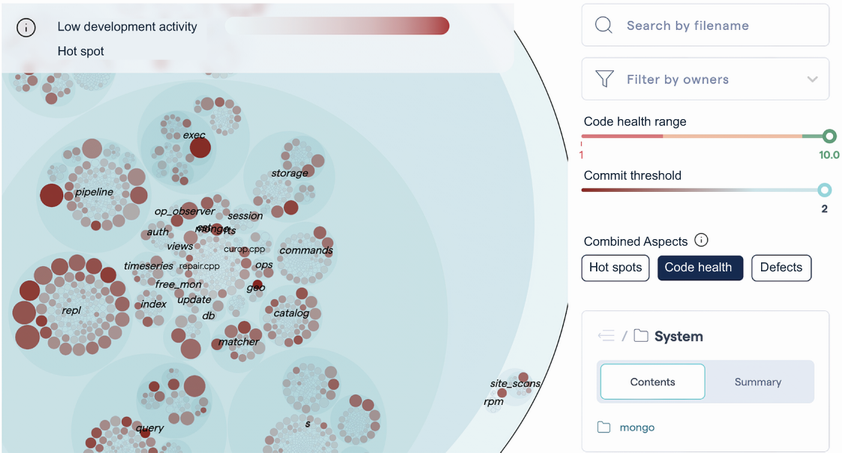
Figure 12.25 Visualizing code health with CodeScene

Use the code-health visualization to inspect which parts of a system appear less healthy, then dig into selected areas and relate findings to modernization decisions. section 12.4.3

How Architecture Modernization: Socio-technical alignment of software, strategy, and structure covers it

How deep it goes
Explains multiple information sources, code-health visualization, and organizational analysis, but does not detail the underlying algorithms.
Examples
Uses CodeScene visualizations to reveal unowned areas, contractor concentration, and differing levels of code health.
What you can do after
Evaluate system complexity and modernization priorities, then communicate findings to technical and nontechnical stakeholders.
How it connects
Connects code health, knowledge loss, quality attributes, software architecture, and modernization.

This explainer was generated by Manning's knowledge graph from the text of Architecture Modernization: Socio-technical alignment of software, strategy, and structure. The section links point to the parts of the book it draws on.