liveBook · Manning

Recordkeeping

As explained in "Looks Good to Me"

The systematic creation and preservation of records that capture the context, details, and history of work.

When a team reviews a change, the pull request can become more than an approval step: it can preserve why the change happened, what changed, and what the team decided. That record supports later debugging, knowledge transfer, sharing, and refactoring. section 3.1.5

A practical recordkeeping habit includes:

  • Prepare pull requests with meaningful context and details. section 3.1.6
  • Use categorization prefixes, labels, and links to related tickets or stories. section 3.1.6
  • Keep important context in the pull request even when a bug tracker or project board holds additional detail. section 3.1.5
  • Capture insights and outcomes from pair or mob programming as well as pull-request reviews. section 3.1.5
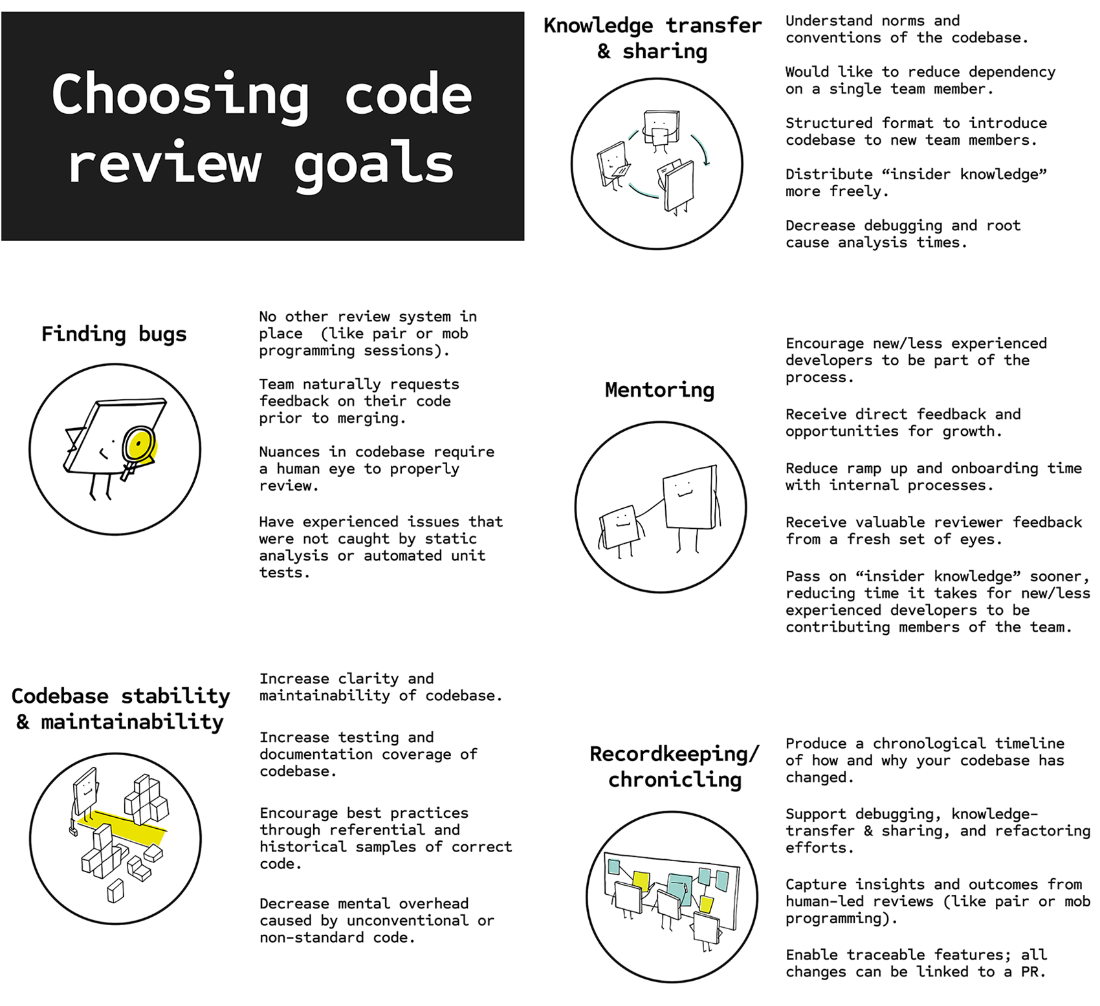
Figure 3.1 Choosing code review goals for your team
figure

Use the goal-selection figure to decide when recordkeeping fits alongside stability, maintainability, and other code review goals. section 3.1.6

How "Looks Good to Me" covers it

How deep it goes
Develops a practical workflow of context, prefixes, labels, links, iteration, and accountability without specifying a particular platform.
Examples
Uses pull-request context, categorization prefixes, labels, linked tickets, and documented pair- or mob-programming outcomes.
What it assumes
Assumes a team is establishing a code review process and teaches recordkeeping as a selectable, gradually adopted goal.
What you can do after
Apply it by preparing contextual pull requests and linking durable records so teams can investigate and understand changes later.
How it connects
Connects code review with debugging, knowledge transfer, knowledge sharing, refactoring, and codebase maintainability.

Related concepts

This explainer was generated by Manning's knowledge graph from the text of "Looks Good to Me". The section links point to the parts of the book it draws on.