liveBook · Manning

Business context

As explained in Architecture Modernization: Socio-technical alignment of software, strategy, and structure

Business context is the set of external and internal business conditions that materially influence organizational priorities and strategic direction.

Business context comprises the internal and external factors that can materially affect an organization and change its strategic direction. Those changes can create knock-on effects for technical strategy, so strategy must evolve as assumptions and conditions change. section 16.1.2

Connecting context to architecture and operating model

At IgluCruise.com, business capabilities were classified as unique, supporting, or generic, then used to shape the target architecture, build-versus-buy choices, and target operating model. The resulting team structure, decision rights, partnerships, measures, tools, and talent were traced back to business success. section 16.1.2

Use business context to keep strategic decisions connected to outcomes:

  • Identify the factors most likely to affect organizational priorities. section 16.1.2
  • Trace architecture, operating-model, and technical-strategy choices back to business success. section 16.1.2
  • Revisit business assumptions when changing conditions make conclusions or strategic choices incorrect. section 16.1.2
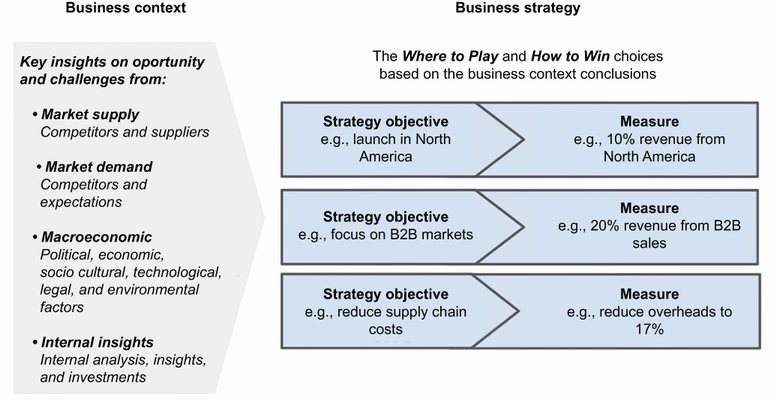
Figure 16.3 Scott Millett’s approach to documenting business strategy

Use the strategy documentation approach to make business conditions, assumptions, and resulting strategic choices visible. section 16.1.2


How Architecture Modernization: Socio-technical alignment of software, strategy, and structure covers it

How deep it goes
Defines business context, connects it to strategic consequences, and stops short of prescribing a fixed analytical method.
Examples
Uses IgluCruise.com, capability classifications, build-versus-buy choices, target architecture, and operating-model design.
What you can do after
Diagnose strategic drift by revisiting business assumptions when organizational conditions change.
How it connects
Connects business context with strategic direction, technical strategy, business capabilities, target architecture, and operating model.

Also explained in

Compare how 3 books explain business context →

Related concepts

This explainer was generated by Manning's knowledge graph from the text of Architecture Modernization: Socio-technical alignment of software, strategy, and structure. The section links point to the parts of the book it draws on.
