liveBook · Manning

Collaborative filtering

As explained in First-Party Data Activation

A recommendation technique that infers a user's interests from patterns in the preferences or behavior of multiple users.

Collaborative filtering infers interests from patterns in multiple users’ preferences or behavior. Used as a privacy-enhancing technology, it can personalize content without storing large amounts of personal data, supporting engagement while reducing intrusive tracking. section 2.3.4

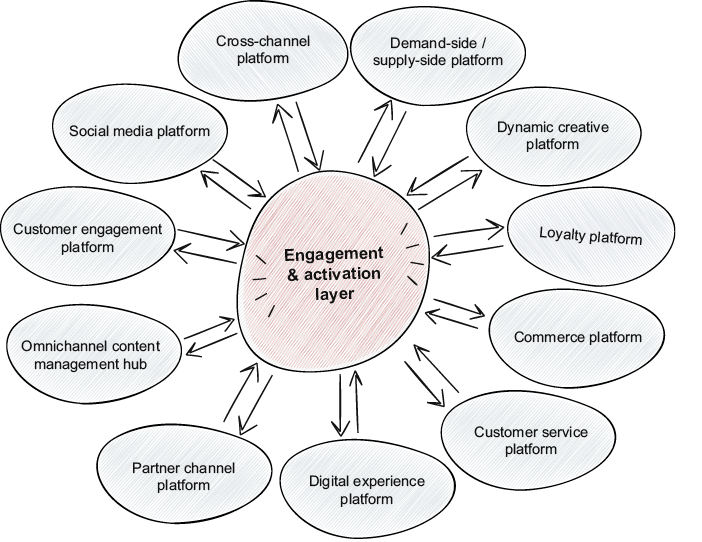
Figure 2.7 Engagement and activation layer overview
A diagram of a diagram

AI-generated content may be incorrect.

Places privacy-preserving personalization within the engagement and activation layer, alongside consent, transparency, and minimal data collection. section 2.3.4


How First-Party Data Activation covers it

How deep it goes
Defines its privacy role but stops short of explaining algorithms, data structures, or implementation procedures.
What you can do after
Apply it via privacy-enhancing personalization while limiting stored personal data and intrusive tracking.
How it connects
Connects collaborative filtering with anonymization, privacy-enhancing technologies, consent, and transparent data use.

Also explained in

Compare how 4 books explain collaborative filtering →

Related concepts

This explainer was generated by Manning's knowledge graph from the text of First-Party Data Activation. The section links point to the parts of the book it draws on.

