liveBook · Manning

Context switching

As explained in Architecture Modernization: Socio-technical alignment of software, strategy, and structure

Context switching is the cognitive and operational disruption caused by repeatedly changing between different tasks, teams, or work contexts.

Context switching is the disruption created when people repeatedly move between initiatives, subdomains, teams, or modernization and legacy work. It increases cognitive load, weakens focus, and can undermine sustainable flow, motivation, and quality. section 11.1.5 section 16.3.5

Manage context switching by:

  • Keeping team boundaries and owned subdomains small enough that their collective complexity fits one team’s cognitive-load capacity. section 11.1.5
  • Avoiding routine allocation of one person across separate modernization and legacy teams; transfer legacy knowledge and reserve callbacks for emergencies. section 16.3.5
  • Listening to the people involved before committing to a staffing or modernization arrangement. section 16.3.5

A developer divided between modernization and legacy work

A developer working three days a week on modernization and two days on legacy work may be pulled back by bugs and production issues. Part-time participation also hampers the learning modernization requires. A better arrangement transfers as much legacy knowledge as possible before the developer joins modernization, with return involvement limited to emergencies. section 16.3.5
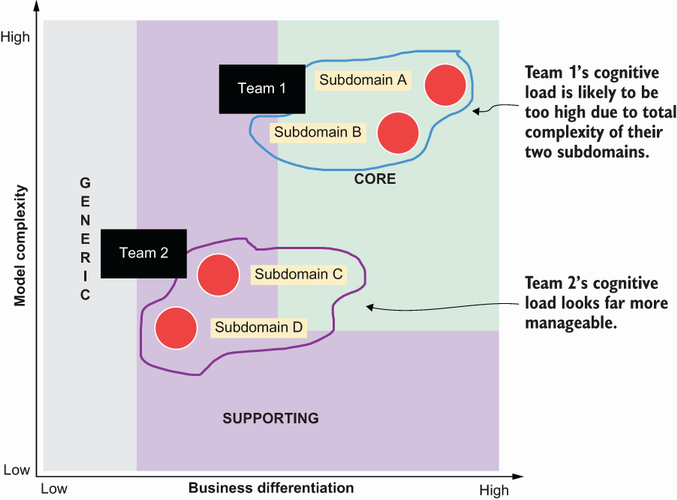
Figure 11.2 Identifying potential high cognitive load on a Core Domain Chart

Use a Core Domain Chart to visualize team boundaries and identify subdomains where complexity and context-switching costs may create high cognitive load. section 11.1.5


How Architecture Modernization: Socio-technical alignment of software, strategy, and structure covers it

How deep it goes
Explains disruption and mitigation through boundaries, knowledge handover, emergency callbacks, and staffing decisions, without prescribing a fixed process.
Examples
Uses a split-week developer arrangement and a Core Domain Chart to make disruption and overloaded boundaries visible.
What it assumes
Assumes familiarity with teams, subdomains, legacy work, and modernization while treating context-switching risks through concrete organizational examples.
What you can do after
Diagnose overloaded team boundaries and redesign staffing so modernization work receives sustained attention.
How it connects
Connects cognitive load with team boundaries, subdomains, modernization, legacy systems, knowledge transfer, and cost of change.

Also explained in

Compare how 9 books explain context switching →

Related concepts

This explainer was generated by Manning's knowledge graph from the text of Architecture Modernization: Socio-technical alignment of software, strategy, and structure. The section links point to the parts of the book it draws on.






