A data-informed culture shapes decisions and interpretations through appropriately evaluated data and analytical evidence. It grows when analysts make messy data easier for others to use and when teams treat findings as evidence rather than automatic proof. section 11.1 section 3.2.3
Strengthen the culture through practical analytical habits:
- Clean and structure difficult data so more colleagues can use it directly. section 11.1
- Use careful language, such as “evidence in support of the hypothesis,” instead of claiming that data proves a phenomenon. section 3.2.3
- Guide stakeholder interpretation with recommended statements and explain why findings may differ across users, samples, or methods. section 3.2.3
Correcting “prove”
A stakeholder begins to say that an analysis proves a belief. Repeatedly reframing the result as evidence supporting a hypothesis helps teams become more receptive when later findings contradict established assumptions. section 3.2.3
Figure 11.3 The same data as in figure 11.2, after it’s been cleaned and structured for analysis.
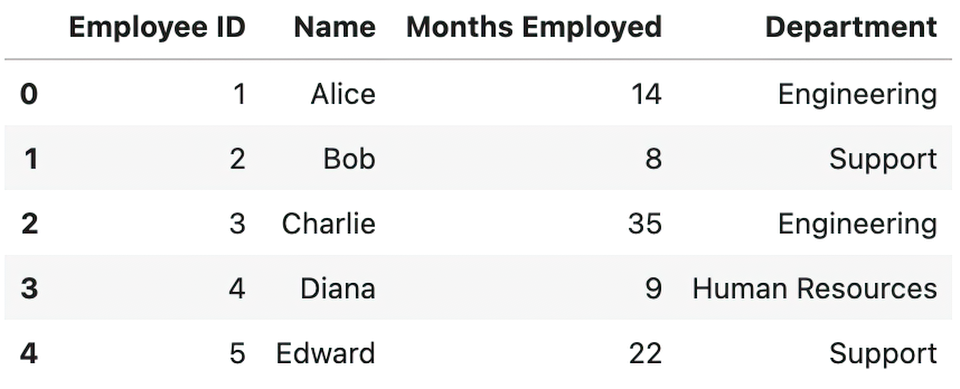
Compare data before and after it is cleaned and structured for analysis. section 11.1
