Dataset size is a practical modeling choice, not simply a count of available records. A sample-wise learning curve shows whether adding training examples still improves validation performance or has reached a plateau. section 9.1 section 9.4.1
Use dataset-size analysis to make decisions about relevance, cost, and product impact:
- Test whether all available history is needed, or whether only the most recent months remain relevant. section 9.4.1
- Measure whether downsampling records reduces computation without noticeably degrading validation metrics. section 9.4.1
- Choose the data granularity deliberately: daily records may capture detail, while weekly records can reduce computation substantially. section 9.4.1
- Treat granularity as a product decision as well as a modeling decision, because it can change service speed and available use cases. section 9.4.1
Supermegaretail demand forecasting
A forecasting team asks whether it needs every day–store–item record. A sample-wise learning curve tests how many samples are needed before validation error plateaus; the team can then compare full data with 20%, 10%, or 5% samples. It also compares daily data with weekly store–item data, which reduces computations by a factor of seven while potentially preserving or improving performance. section 9.4.1
Figure 9.1 Basic representation of a learning curve
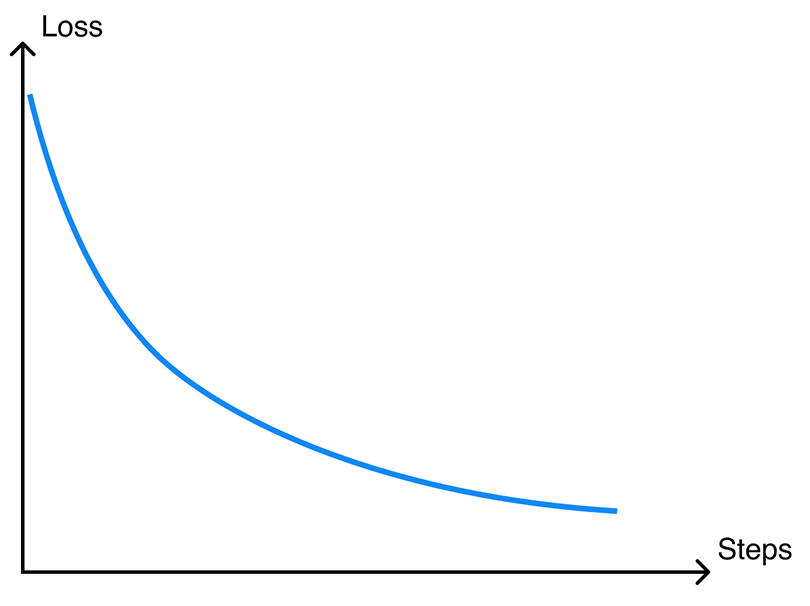
Use the learning-curve figure to read how a chosen metric changes as a numerical property such as dataset size changes. section 9.1
