Design thinking is a careful, human-centered approach to AI opportunity discovery. It invests heavily in empathy, definition, and ideation before prototyping and testing, reducing the risk of building something that misses user needs or regulatory requirements. section 2.3.1
Use the approach when execution is expensive, stakes are high, or formal approval is required:
- Validate user impact through records, interviews, and market research. section 2.3.1
- Validate feasibility by exploring models and running simulations. section 2.3.1
- Validate business value through return-on-investment estimates and assess relevant regulations. section 2.3.1
- Document discovery activities when stakeholders need formal sign-off. section 2.3.1
Personalized treatment recommendations
A health-tech team considers an AI feature using medical history, lifestyle, and genetic information. Because misguided recommendations could harm patients, create legal problems, and damage trust, the team researches needs, tests feasibility, estimates value, checks regulations, and commits only after validation. section 2.3.1
Figure 2.10 The traditional design thinking process
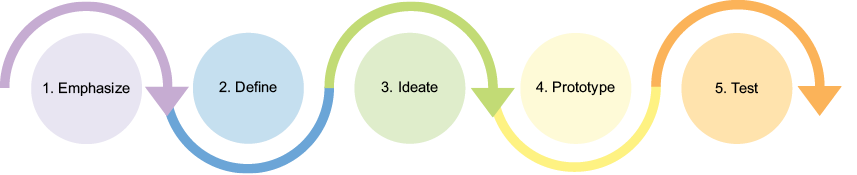
Use the process figure to navigate the traditional sequence from empathy and definition through ideation, prototyping, and testing. section 2.3.1
