liveBook · Manning

Edge-origin pattern

As explained in Building Web APIs with ASP.NET Core

The edge-origin pattern separates geographically distributed edge-serving components from origin servers that provide the authoritative application content.

The edge-origin pattern places a proxy or CDN at the public endpoint while keeping the authoritative origin web server private. The edge serves cached content or requests it from the origin. section 12.1.3

A web API request follows this path:

  • The browser targets the API’s public subdomain, which is handled by the CDN edge. section 12.1.3
  • The edge returns content from its cache or requests it from the origin using the origin’s private IP address. section 12.1.3
  • A dedicated WAF filters potentially malicious HTTP requests, while CDN controls can detect and mitigate DDoS attacks. section 12.1.3

Public API, private origin

A client calls the web API through its public domain. The CDN responds immediately when content is cached; otherwise, it forwards the request to the unexposed origin server and returns the result. section 12.1.3
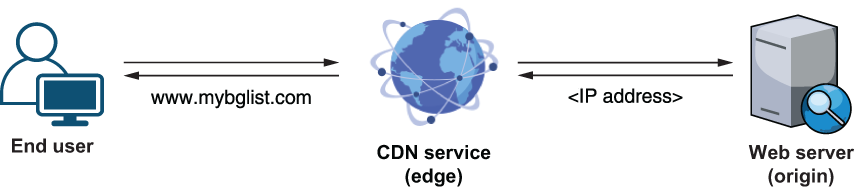
Figure 12.1 Edge-origin architectural pattern
12-01

Use the architecture figure to trace the separation between the public edge and the private origin. section 12.1.3

How Building Web APIs with ASP.NET Core covers it

How deep it goes
Defines the architecture and traces cached or forwarded requests, but does not detail provider configuration steps.
Examples
Uses a browser, public API subdomain, CDN cache, private origin IP address, WAF, and DDoS mitigation.
What you can do after
Operate/configure a CDN-backed API layout that keeps the origin unexposed and delegates filtering and attack mitigation to the edge.
How it connects
Connects CDNs with proxy services, caching, origin servers, WAFs, and DDoS protection.

Related concepts

This explainer was generated by Manning's knowledge graph from the text of Building Web APIs with ASP.NET Core. The section links point to the parts of the book it draws on.