liveBook · Manning

Entry

As explained in API Design Patterns

An entry is an anonymous data point submitted to an API through a write method and not individually addressable afterward.

An entry is an anonymous data point submitted through a custom write method. Unlike a resource, it has no unique identifier and cannot be retrieved, updated, or deleted individually; consumers inspect entries through aggregates such as counts or averages. section 20.2 section 20.6

Writing a chat-room statistic

A request can submit a ChatRoomStatEntry to /chatRooms/1/statEntries:write using an entry field. The method returns only success or an error, while later reads expose aggregates rather than individual submissions. section 20.3 section 20.2

Use entries when data follows a one-way, aggregate-oriented access pattern:

  • Prefer a custom write method over creating resources that will never be addressed individually. section 20.6
  • Name the payload field entry, target the collection-style URL, and return no resource or response body. section 20.3
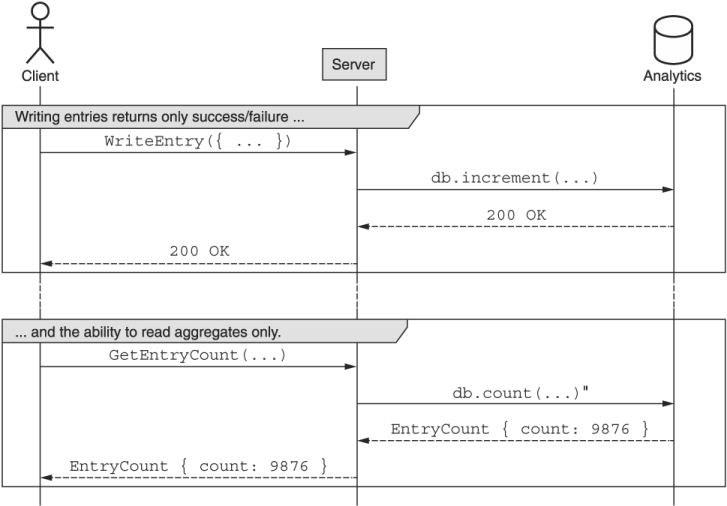
Figure 20.1 Sequence of events for the write method

Trace the write request and aggregate read as a sequence of API events. section 20.2

How API Design Patterns covers it

How deep it goes
Defines anonymity, payload shape, URL binding, and response behavior, but defers deeper consistency details.
Examples
Illustrates entries with chat-room statistics, counts, averages, and analytical data ingestion.
What it assumes
Assumes familiarity with create requests and resource-oriented URLs while teaching when anonymous entries are preferable.
What you can do after
Apply it via a custom write method that accepts an entry, returns status only, and exposes later data through aggregates.
How it connects
Connects entries with write methods, resources, aggregates, batch write methods, and purge methods.

Related concepts

This explainer was generated by Manning's knowledge graph from the text of API Design Patterns. The section links point to the parts of the book it draws on.