liveBook · Manning

Genetic simulation

As explained in Evolutionary Deep Learning: Genetic algorithms and neural networks

Genetic simulation is a computational approach that models the transmission and evolution of genes and chromosomes in biological reproduction.

Genetic simulation is an evolutionary-computation technique that models cellular mitosis and the transmission of genes and chromosomes as organisms evolve. It provides one route for applying evolutionary methods to deep-learning models. section 1.1.1

Unlike life simulation, which models observed natural behaviors such as swarming, genetic simulation focuses on biological inheritance and evolution. section 1.1.1
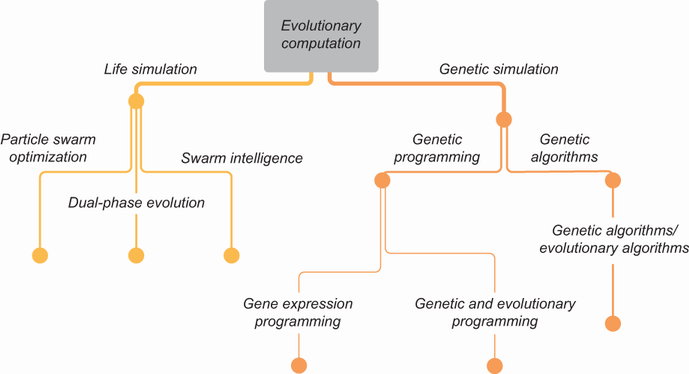
Figure 1.1 Subset of EC used to apply EDL

Use the evolutionary-computation hierarchy to place genetic simulation alongside life simulation, swarm intelligence, and other optimization approaches used with deep learning. section 1.1.1

How Evolutionary Deep Learning: Genetic algorithms and neural networks covers it

How deep it goes
Defines biological inheritance and evolution while stopping short of implementation details, experiments, or parameterized procedures.
Examples
Uses cellular mitosis and genetic transference of genes and chromosomes as its biological examples.
How it connects
Connects genetic simulation with evolutionary computation, life simulation, swarm intelligence, particle swarm optimization, and deep learning.

Related concepts

This explainer was generated by Manning's knowledge graph from the text of Evolutionary Deep Learning: Genetic algorithms and neural networks. The section links point to the parts of the book it draws on.