The inverted pyramid puts critical information first, then adds progressively less essential detail. Frontload enough context for readers to understand the post’s purpose and value before they click away. section 5.2.3
Apply the pattern while revising:
- State what the post is about and why it matters near the beginning. section 5.2.3
- Offer useful details early without revealing every detail or removing reasons to continue. section 5.2.3
- Treat bug-hunting posts differently when preserving the culprit as part of the reading experience. section 5.2.3
A different contract with the reader
A summer blockbuster can save its plot twist for the end because viewers are relatively captive. A blog post should not make readers work through 2,000 words before discovering why the result matters. section 5.2.3
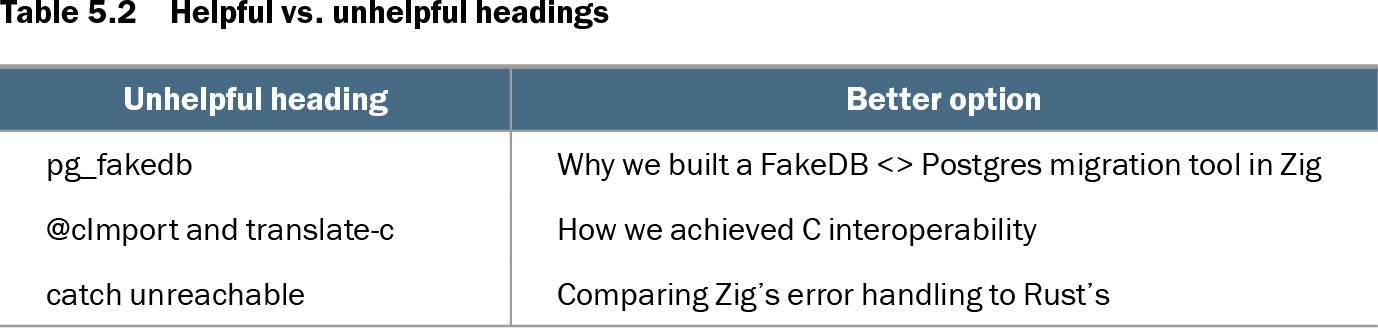
Table 5.2 Helpful vs. unhelpful headings (view table figure)
| Unhelpful heading |
Better option |
|---|---|
| pg_fakedb |
Why we built a FakeDB <> Postgres migration tool in Zig |
| @cImport and translate-c |
How we achieved C interoperability |
| catch unreachable |
Comparing Zig’s error handling to Rust’s |
Use specific headings to expose the subject and benefit early; replace cryptic labels such as “pg_fakedb” with headings that state the project and reader-relevant question. section 5.2.3