liveBook · Manning

Labeling platform

As explained in Machine Learning System Design

A labeling platform is a software service or environment for managing data annotation tasks, workers, interfaces, and resulting labels.

A labeling platform organizes data annotation around tasks, instructions, interfaces, workers, quality control, aggregation, and pricing. Choose it after clarifying product goals and the detail labels require. section 6.2.4

Evaluate a labeling setup by checking:

  • Whether tasks are decomposed clearly and instructions are easy to follow. section 6.2.4
  • Whether interfaces, templates, worker training, examination, and process evaluation support reliable labels. section 6.2.4
  • Whether in-house experts or third-party crowdsourcing better matches labeling complexity, control, consistency, speed, and cost. section 6.2.4
  • Whether weak supervision is preferable when detailed manual labeling is too slow, costly, or expertise-constrained. section 6.2.4

Choosing the workforce

Use a curated in-house team when annotations require specialized knowledge; use an external service when tasks are simpler and rapid scale or lower cost matters. section 6.2.4

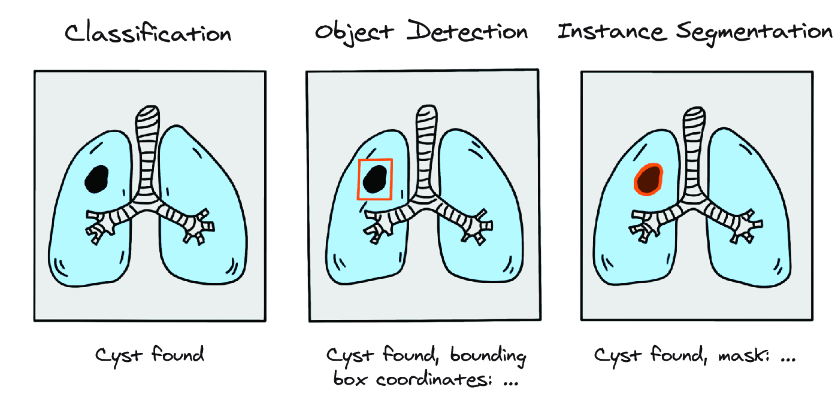
Figure 6.2 Various approaches to data labeling
figure

Compare the available approaches to data labeling before selecting a platform or workforce. section 6.2.4

How Machine Learning System Design covers it

How deep it goes
Covers platform requirements and workforce tradeoffs, but defers detailed features of individual crowdsourcing platforms.
Examples
Uses binary classification, expert teams, external crowdsourcing, and Amazon Mechanical Turk as concrete labeling examples.
What it assumes
Assumes clarified product goals and dataset needs while teaching platform selection and labeling workflow considerations.
What you can do after
Evaluate labeling platforms and workforce models against task complexity, quality, scalability, expertise, time, and cost.
How it connects
Connects data annotation with weak supervision, crowdsourcing, quality control, task decomposition, and aggregation methods.

Related concepts

This explainer was generated by Manning's knowledge graph from the text of Machine Learning System Design. The section links point to the parts of the book it draws on.