liveBook · Manning

Learning organization

As explained in Architecture Modernization: Socio-technical alignment of software, strategy, and structure

A learning organization is an organization that systematically encourages, supports, and embeds ongoing learning and improvement in its work.

A learning organization makes continuous learning part of everyday work. Leadership supports experimentation, allocates time for learning, and treats shared knowledge as a foundation for improvement. Architecture modernization provides a strong setting because it demands learning that can outlast the modernization effort. section 17.3 section 17.3.2

Use small, regular learning opportunities to make the practice visible and repeatable:

  • Set aside working time and explicitly incentivize learning rather than judging effort by apparent busyness. section 17.3.2
  • Choose formats such as book clubs, coding katas, presentations, shared videos, external speakers, or architecture sessions. section 17.3.2
  • For a Bytesize Architecture Session, select an architectural area, have everyone sketch it independently, compare the drawings, and create one stored consensus diagram. section 17.3.2

Bytesize Architecture Session

A group working on related parts of a system spends an hour building shared understanding. Individual drawings expose different mental models; discussion produces a common architecture diagram that remains available to the team. section 17.3.2
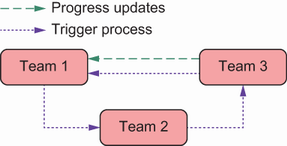
Figure 17.3 Dependencies between the three teams

Use the team-dependency diagram to connect shared learning with interteam collaboration and system understanding. section 17.3.2

How Architecture Modernization: Socio-technical alignment of software, strategy, and structure covers it

How deep it goes
Explains the rationale and gives a small-session format with steps, but stops short of a broader organizational implementation plan.
Examples
Uses conferences, book clubs, coding katas, presentations, videos, external speakers, and Bytesize Architecture Sessions.
What it assumes
Assumes leadership can protect small amounts of working time and incentivize learning as part of the job.
What you can do after
Practice/perform regular learning sessions and collaboratively create shared architecture knowledge.
How it connects
Connects continuous learning, architecture modernization, knowledge sharing, and team collaboration.

Related concepts

This explainer was generated by Manning's knowledge graph from the text of Architecture Modernization: Socio-technical alignment of software, strategy, and structure. The section links point to the parts of the book it draws on.