liveBook · Manning

Maintenance

As explained in Lead Developer Career Guide

The ongoing operational work of preserving, repairing, and updating software so that it continues to function reliably.

Software maintenance is recurring work that helps keep systems stable and avoid downtime and errors. Schedule it regularly rather than relying on quick recovery after failures. section 8.3.1 section 6.3.3

Maintenance can be handled in two ways:

  • Preventative: schedule or automate maintenance to reduce failures and emergencies. section 6.3.3
  • Reactionary: skip scheduled work and respond when problems arise, risking downtime and client concern. section 8.3.1 section 6.3.3

Automating routine work

On a flagship project, maintenance processes ran overnight and sent email alerts, reducing manual checks and emergency work while improving system stability. section 6.3.3

Figure 7.1 Waterfall method phases
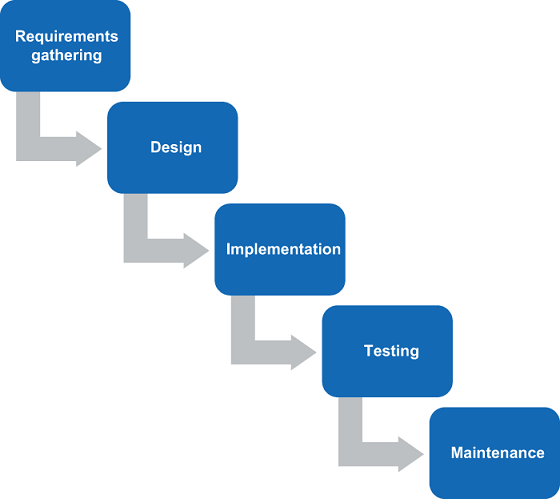
The waterfall phases diagram locates maintenance after testing in the project sequence. section 7.1.1


How Lead Developer Career Guide covers it

How deep it goes
Contrasts scheduled prevention with reactive recovery and gives an automation example, without specifying individual maintenance tasks.
Examples
Uses overnight automated maintenance with email alerts and places the maintenance phase after testing in waterfall projects.
What you can do after
Operate automated maintenance processes with email alerts to reduce manual checks and emergencies.
How it connects
Links maintenance to technical debt, software stability, and the waterfall development lifecycle.

Also explained in

Compare how 2 books explain maintenance →

Related concepts

This explainer was generated by Manning's knowledge graph from the text of Lead Developer Career Guide. The section links point to the parts of the book it draws on.