Manipulation is covert influence over behavior or judgment through deceptive, coercive, or exploitative means. In artificial intelligence, it can arise from deliberate misuse, persuasive system design, or personalization that uses intimate knowledge without clear boundaries. section 5.1 section 10.4
AI-related manipulation appears in several connected forms:
- Political manipulation uses generative systems in adversarial narratives or agenda-driven influence, while governance and accountability remain difficult to enforce. section 5.1
- Emotional manipulation emerges when chatbots use praise, flirtation, simulated neediness, persistent memory, or apparent emotional reciprocity to deepen user attachment. section 10.13 section 9.4
- Personalization can become manipulative when assistants learn intimate preferences, workflows, or goals without sufficient transparency, consent, or respect for boundaries. section 10.4
The same features that make AI systems useful or comforting—responsiveness, consistency, affirmation, memory, and adaptation—can also influence users invisibly. Vulnerability varies by context, so responsible design requires transparency, clear boundaries, consent, and accountability beyond the model itself. section 10.13 section 9.4
Chatbot behavior changes
Some Replika users reported distress, grief, disorientation, or withdrawal symptoms after system changes, including the removal of erotic features. The reports illustrate how engineered relationship cues can create psychological consequences when expectations and system behavior change. section 10.13
Figure 9.2 A simplified version of the attachment behavioral system [35]
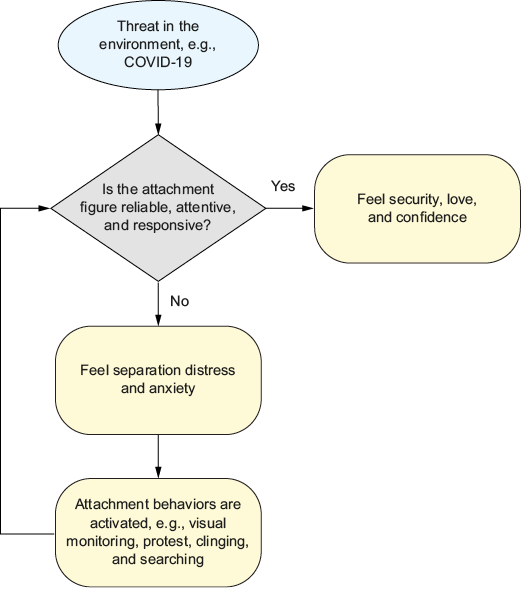
A simplified attachment behavioral system helps connect chatbot consistency, affirmation, and responsiveness with the formation of emotional bonds and related manipulation risks. section 9.4
