An outcome standard is a clear, testable requirement that defines what a capability must achieve while leaving implementation choices to the teams delivering it. It lets affected teams address their needs independently instead of requiring the owning stakeholder to control every technical decision. section 2.1.2
Outcome standards complement service interfaces. A service interface exposes a self-serve capability; an outcome standard defines the result teams must obtain, preserving autonomy while maintaining shared expectations. Penetration testing can require demonstrable compliance without forcing every team to use one scanner or workflow. section 2.1.2
Penetration-testing compliance
A security team can define the required compliance outcome and let developers independently run scans against their endpoints. Automation can discover ingress points, perform recurring scans, compare results with log history, and identify vulnerabilities without requiring direct coordination with security. section 2.1.2
Figure 2.2 Internal stakeholders have legitimate concerns. But these outcomes can be achieved without the stakeholders controlling the implementation.
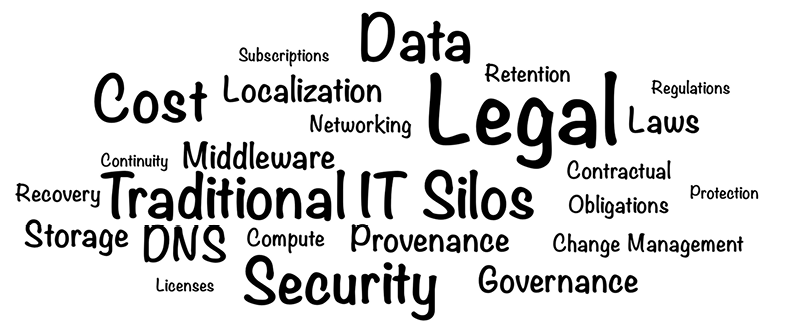
Use the figure to examine how legitimate stakeholder concerns can be satisfied without allowing stakeholders to control implementation. section 2.1.2
