liveBook · Manning

Pivotal event

As explained in Architecture Modernization: Socio-technical alignment of software, strategy, and structure

A pivotal event is a significant domain event that marks a transition between areas of an EventStorming timeline.

A pivotal event is an important domain event that marks a transition between areas of an EventStorming timeline. It helps participants sort a messy timeline into roughly five to ten sections and exposes possible domain boundaries without defining them prematurely. section 7.2.5 section 9.4.1

Identify useful pivotal events by asking:

  • Does the event represent a key transition, such as the start or end of a process or subprocess? section 7.2.5
  • Do the pivotal events alone tell the high-level story of the domain? section 7.2.5
  • Could the event prompt useful conversations about possible boundaries rather than settle the boundary immediately? section 9.4.1
  • Accept subjectivity: importance varies by domain and participant, and the markers do not need to be preserved after the workshop. section 9.4.1

Applying for membership

In a financial institution’s application process, Applied for Membership follows the submission of personal and bank details. It separates the application stage from subsequent Fraud Checker security checks and Account Manager onboarding assessment, making it a useful point for discussing a possible domain boundary. section 9.4.1
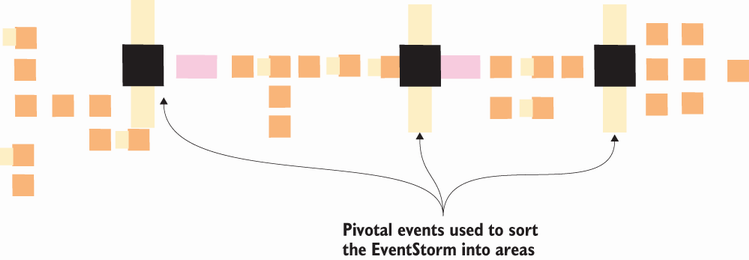
Figure 7.11 Using pivotal events to sort the timeline

Use the visual timeline arrangement to see pivotal events enlarged or highlighted as separators between sortable sections. section 7.2.5
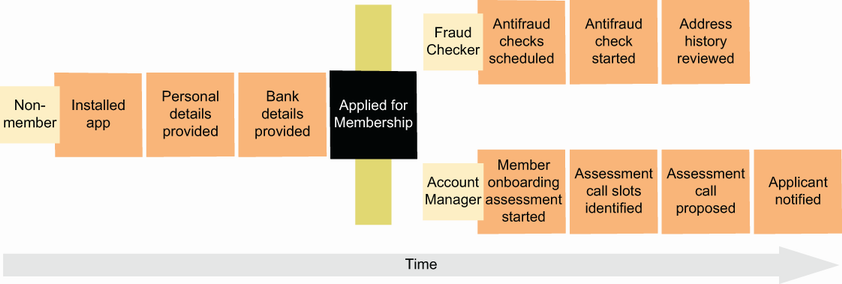
Figure 9.13 An Applied for Membership pivotal event and surrounding domain events

Inspect the membership-application event in context with the surrounding domain events and follow-on activities. section 9.4.1

How Architecture Modernization: Socio-technical alignment of software, strategy, and structure covers it

How deep it goes
Explains selection heuristics, validation questions, subjectivity, and exploratory limits, stopping short of treating markers as final boundaries.
Examples
Uses Membership Requested, Support Ticket Raised, Account Deactivated, Article Published, and Applied for Membership as transition examples.
What it assumes
Assumes familiarity with domain events and EventStorming while teaching participants to recognize transitions and milestones from zero.
What you can do after
Evaluate candidate transition points and use them to sort a timeline and investigate possible domain boundaries.
How it connects
Connects EventStorming with domain events, domain boundaries, subdomains, and process or subprocess transitions.

Related concepts

This explainer was generated by Manning's knowledge graph from the text of Architecture Modernization: Socio-technical alignment of software, strategy, and structure. The section links point to the parts of the book it draws on.