liveBook · Manning

Planogram

As explained in Data Without Labels

A planogram is a visual plan specifying the placement and arrangement of products within retail space.

A planogram is a visual store layout that specifies where product categories and individual items should be placed. It helps retailers use space wisely while making products easier for customers to navigate and access. section 4.8

Association rules provide data-driven directions for planograms by identifying products frequently purchased together. Historical transactions must be discovered, loaded, and transformed into the format required by the association-rule algorithm. section 4.8

Milk and bread

If transactions show that customers often buy milk and bread together, placing bread near the milk counter can make it easier to find and support continued purchases. section 4.8

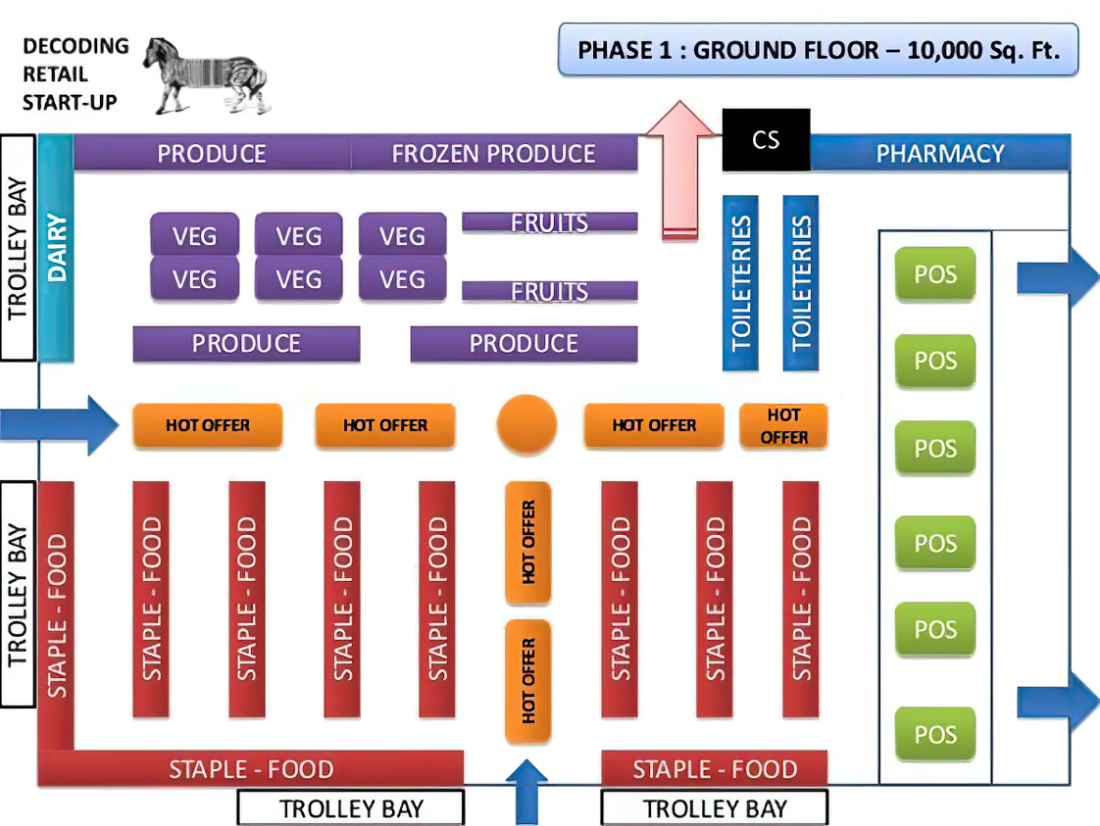
Figure 4.24 An example of a planogram. Planograms are very useful for visual merchandising.
figure

Inspect a visual planogram showing how product categories occupy defined areas of retail space. section 4.8

How Data Without Labels covers it

How deep it goes
Defines the layout and connects it to association-rule guidance, but stops short of specifying a complete layout-generation algorithm.
Examples
Uses milk-and-bread placement, category areas, and a visual store-layout example.
What it assumes
Assumes historical transaction data and familiarity with association rules, while emphasizing the need for careful data preparation.
What you can do after
Evaluate product relationships and use them to guide more navigable retail-space arrangements.
How it connects
Connects visual merchandising, market basket analysis, association rules, transaction data, and data preprocessing.

Related concepts

This explainer was generated by Manning's knowledge graph from the text of Data Without Labels. The section links point to the parts of the book it draws on.