@PostConstruct
@PostConstruct is an annotation that marks a method to be invoked after an object's dependencies have been injected and before it enters normal operation.
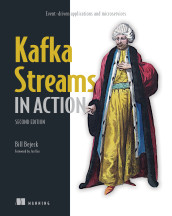
Kafka Streams in Action, Second Edition
PostConstruct is a lifecycle annotation that marks a method to be invoked after an object has been constructed and its dependencies injected.
- How it is used
- Starts a Kafka Streams application after Spring injects its topology and configuration dependencies.
- How deep it goes
- Defines the invocation point and demonstrates startup internals, while deferring broader lifecycle choices to application requirements.
- Examples
- Uses KafkaStreamsContainer.init to create, monitor, and start a KafkaStreams instance.
- What you can do after
- Operate a Kafka Streams application with automatic startup and coordinated shutdown.
Read how Kafka Streams in Action, Second Edition explains @PostConstruct →
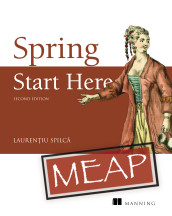
Spring Start Here, Second Edition
An annotation that marks a method to be invoked after dependency injection is complete and before the managed object is put into service.
- How it is used
- Customize a Spring bean after its creation, for example by assigning an initial value.
- How deep it goes
- Defines an annotated callback method and its timing after constructor completion, without detailing further lifecycle ordering.
- Examples
- Initializes a Parrot component’s name to “Kiki” in an init method.
- What you can do after
- Apply it by annotating a component method that initializes the bean after construction.
Read how Spring Start Here, Second Edition explains @PostConstruct →
Also covered in
Questions about @PostConstruct
What is @PostConstruct?
@PostConstruct is an annotation that marks a method to be invoked after an object's dependencies have been injected and before it enters normal operation.
Which Manning books explain @PostConstruct?
Kafka Streams in Action, Second Edition and Spring Start Here, Second Edition.
These guides are generated from the text of Manning books by Manning's knowledge graph and link to the sections they draw on. The full books are available on liveBook and at manning.com.