Problem solving means analyzing a difficulty, deciding what to do, and applying a solution. In software development, it combines analytical thinking, creativity, troubleshooting, communication, and follow-through. section 2.4.3 section 12.3.2
Show problem-solving by making your reasoning visible:
- Describe the specific problem, the solution you implemented, and what you learned. section 12.3.2
- When you do not know an answer, say so, then explain how you would investigate it. section 2.4.3
- During urgent incidents, troubleshoot methodically, make decisions under pressure, delegate responsibilities, and answer questions. section 12.1.1
- Compare approaches afterward and document useful lessons for similar problems. section 12.1.1
A difficult production deployment
A 14-hour deployment included failed tests and a server disk-space problem. The lead developer guided troubleshooting, delegated work, answered questions, and supported the team until the issue was resolved; the experience was later documented. section 12.1.1
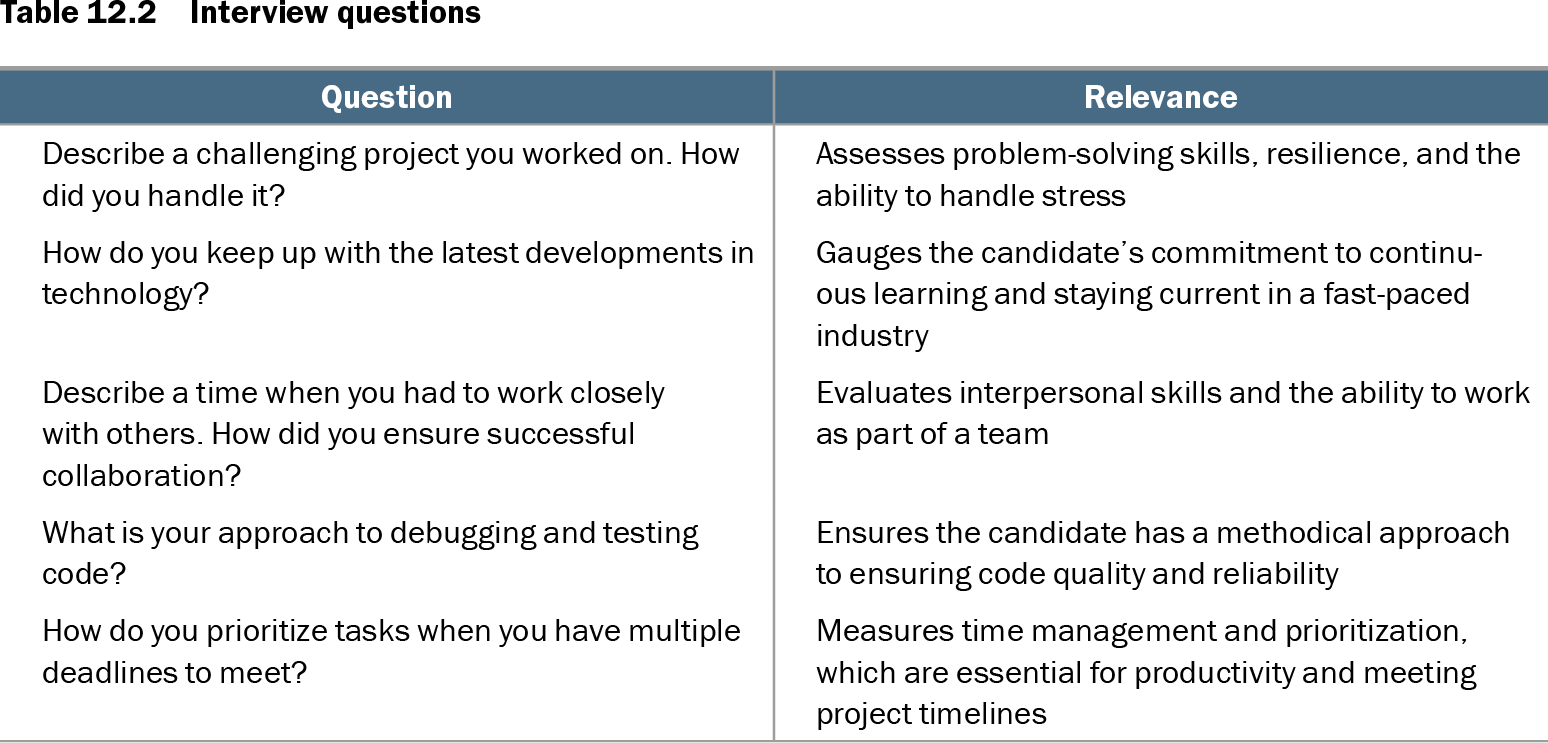
Table 12.2 Interview questions (view table figure)
| Question |
Relevance |
|---|---|
| Describe a challenging project you worked on. How did you handle it? |
Assesses problem-solving skills, resilience, and the ability to handle stress |
| How do you keep up with the latest developments in technology? |
Gauges the candidate’s commitment to continuous learning and staying current in a fast-paced industry |
| Describe a time when you had to work closely with others. How did you ensure successful collaboration? |
Evaluates interpersonal skills and the ability to work as part of a team |
| What is your approach to debugging and testing code? |
Ensures the candidate has a methodical approach to ensuring code quality and reliability |
| How do you prioritize tasks when you have multiple deadlines to meet? |
Measures time management and prioritization, which are essential for productivity and meeting project timelines |
Use the interview-question table to practice explaining challenging projects, debugging and testing methods, collaboration, learning, and task prioritization. section 12.3.2