A promotion is a controllable demand driver: a planned offer or discount intended to change purchasing behavior. In promotion-driven businesses, its effect on demand can be large, so planned promotions should enter the forecast rather than be treated as unexplained sales variation. section 14.2.1
The planning question is not merely whether a promotion occurred, but how its mechanism changes demand and whether usable future information exists. Promotion history is generally available; plans can support medium-term forecasting when they are known in advance. section 14.2.1
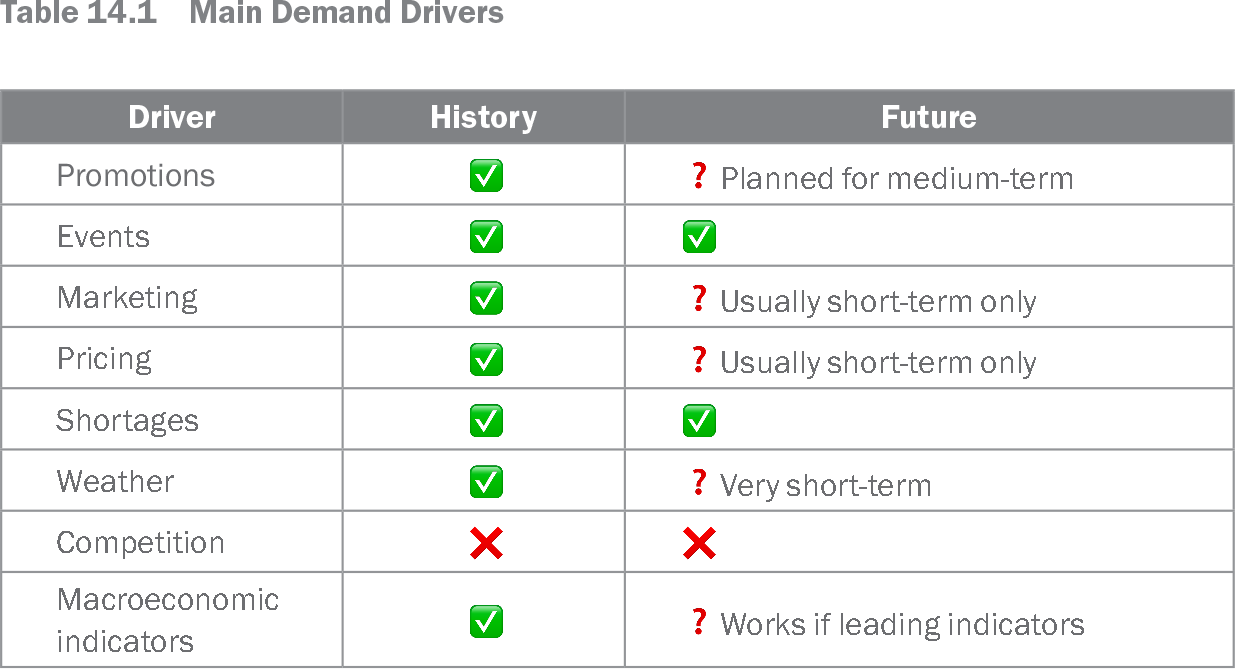
Table 14.1 Main Demand Drivers (view table figure)
| Driver |
History |
Future |
|---|---|---|
| Promotions |
✅ |
❓ Planned for medium-term |
| Events |
✅ |
✅ |
| Marketing |
✅ |
❓ Usually short-term only |
| Pricing |
✅ |
❓ Usually short-term only |
| Shortages |
✅ |
✅ |
| Weather |
✅ |
❓ Very short-term |
| Competition |
❌ |
❌ |
| Macroeconomic indicators |
✅ |
❓ Works if leading indicators |
Compare promotions with other demand drivers by the availability of historical and future data before selecting forecast inputs. section 14.2.1
Model promotions at the level supported by the data:
- Represent distinct promotion types individually when their effects differ, such as “buy two, get one” offers and percentage discounts. section 14.2.1
- Use actual discounted sales prices when promotion labels are inconsistent or difficult to gather, then model the discount’s impact. section 14.2.1
- Treat indirect offers carefully, such as a purchase today that gives a coupon for next month, because their demand effect is delayed. section 14.2.1
- Collect promotion, pricing, and product-launch data alongside unconstrained demand rather than relying only on constrained sales. section 1.2.2
Promotion uplift is not always net new demand. Announced or recurring offers can pull purchases forward: customers may preorder or wait for the promotion, leaving lower demand before and after the main sales period. This rebound pattern is described as self-cannibalization and can make a simple promotion-versus-no-promotion view misleading. section 14.2.1
Recurring promotion scenarios
An FMCG distributor illustrates promotion effects on demand and forecasts, while an automotive manufacturer illustrates demand scenarios with self-cannibalization. Inspecting periods around the promoted sales window helps distinguish an apparent uplift from shifted demand. section 14.2.1 section 14.2.1