liveBook · Manning

Protocol

As explained in Lead Developer Career Guide

A defined set of rules governing how information is reported, shared, updated, and escalated during an incident.

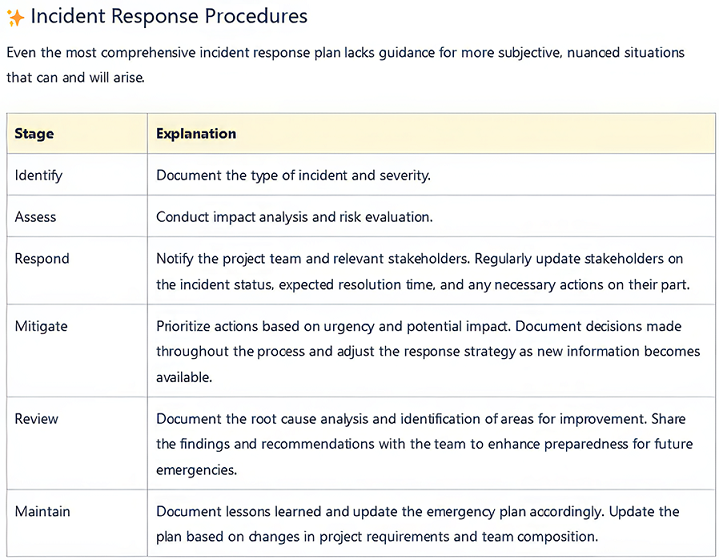
A protocol defines how incident information is reported, updated, shared, and escalated. It gives team members and stakeholders a predictable communication routine during emergencies. section 10.3.3

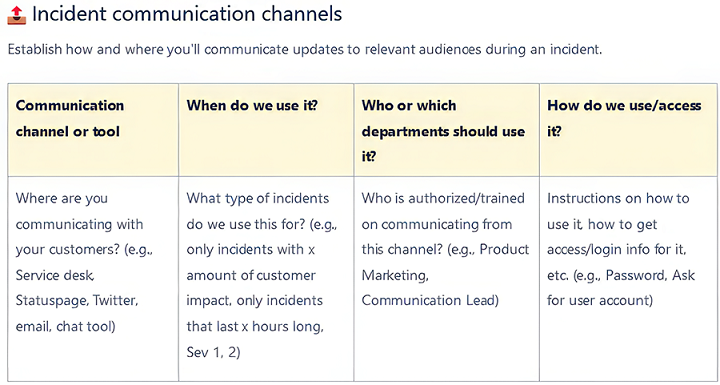
A practical emergency communication protocol should:

  • Assign primary and backup communication channels, such as email groups, chat platforms, or emergency contact numbers. section 10.3.3
  • State who reports incidents, provides updates, and receives escalations, using current contact information. section 10.3.3
  • Timebox updates according to severity and escalate critical errors to a team rather than one individual. section 10.3.3
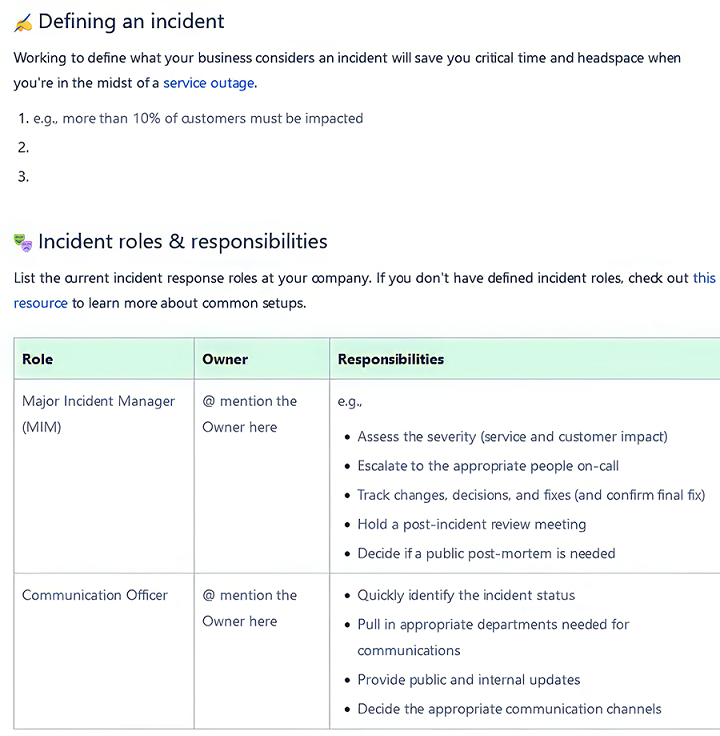
Figure 10.8 Example emergency plan in Confluence

Use the emergency-plan example to see how communication protocols can be organized in a central workplace document. section 10.3.3


How Lead Developer Career Guide covers it

How deep it goes
Defines channels, roles, timing, contacts, and escalation backups, stopping short of detailing a particular technical implementation.
Examples
Uses email groups, chat platforms, emergency numbers, timed updates, central contact documents, and a Confluence emergency plan.
What it assumes
Assumes an emergency-plan context and teaches communication roles, channels, reporting, updates, contacts, and escalation from practical basics.
What you can do after
Operate/configure an emergency communication routine with assigned roles, channels, update intervals, and team-based escalation.
How it connects
Connects emergency planning with incident reporting, stakeholder communication, contact management, and escalation procedures.

Also explained in

Compare how 3 books explain protocol →

Related concepts

This explainer was generated by Manning's knowledge graph from the text of Lead Developer Career Guide. The section links point to the parts of the book it draws on.