A quasi-experimental design evaluates differences or effects when the key independent variable is an inherent participant characteristic that cannot be randomly assigned or directly manipulated. It resembles a controlled experiment, but the groups arise from observed characteristics rather than researcher-assigned conditions. section 3.2.3
Use this design when a true experiment is impossible and the group characteristic itself is central to the question. Product analytics teams can use quasi-experimental designs alongside A/B tests and pre/post comparisons to evaluate effects. section 1.1.4 section 3.2.3
A practical quasi-experimental comparison involves:
- Identifying an inherent characteristic that separates participant groups, such as demographic category. section 3.2.3
- Measuring the outcome for those groups under a shared intervention or condition. section 3.2.3
- Deciding whether to control for the characteristic or measure its differences as part of the evaluation. section 3.2.3
Medication efficacy across participant groups
Compare blood-pressure decreases after four weeks of medication for men and women. Participants cannot be randomized into those categories, so the observed groups form the basis of the quasi-experimental comparison. section 3.2.3
Figure 3.9 Quasi-experiments have a similar design to controlled experiments without random group assignment.
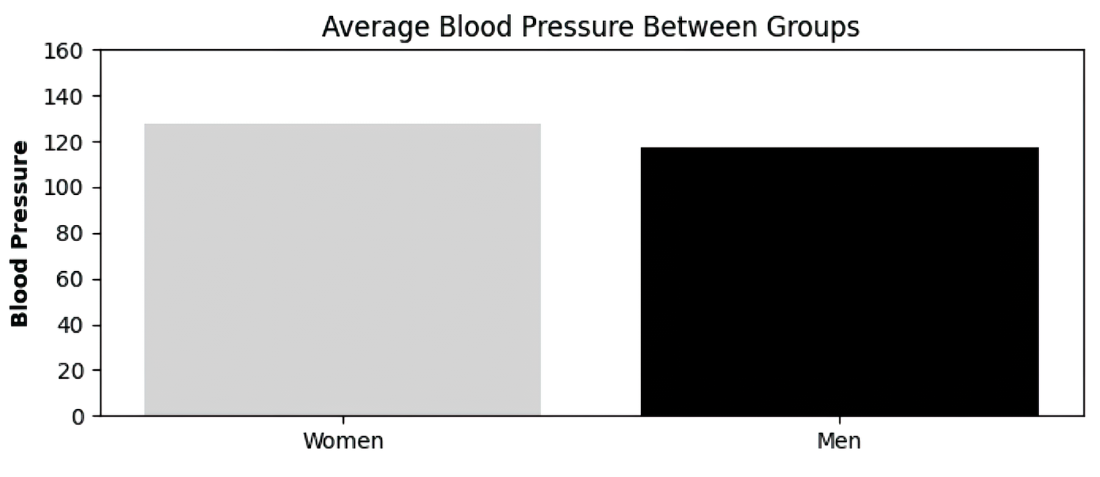
Use the figure to compare quasi-experiments with controlled experiments and focus on the absence of random group assignment. section 3.2.3
Interpret the resulting differences as meaningful group comparisons, while recognizing that the researcher did not assign participants to the defining categories. Demographic comparisons appear in academic research, clinical trials, nonprofits, and business user cohorts. section 3.2.3
