liveBook · Manning

Intent classification

As explained in The Art of AI Product Development

The categorization of a search query into a type or intent that determines how it is processed or retrieved.

Intent classification categorizes a query before retrieval so the system can route it through an appropriate pipeline. For an AI-related question, it can distinguish technical advancements, market trends, product integration, and other major areas, then prioritize relevant sources. section 7.3.3

Routing an AI trends query

A broad question about AI trends may retrieve material from healthcare, finance, SaaS, and workflow automation. Classification identifies the query type and adjusts retrieval parameters, including which sources receive priority. section 7.3.3

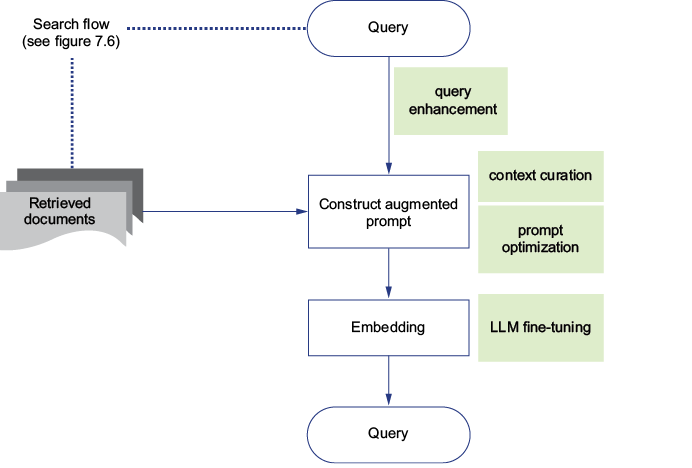
Figure 7.10 Optimization potentials in the RAG system
A diagram of a process

AI-generated content may be incorrect.

Use the RAG optimization figure to locate query classification alongside other retrieval-optimization techniques. section 7.3.3


How The Art of AI Product Development covers it

How deep it goes
Explains classification through query categories and retrieval parameters, but does not detail its implementation.
Examples
Uses AI questions spanning technical advancements, market trends, product integration, healthcare, finance, SaaS, and workflow automation.
What you can do after
Operate/configure retrieval pipelines by assigning query types and setting intent-specific source priorities.
How it connects
Connects query classification with query expansion, query transformation, retrieval, and retrieval-augmented generation.

Also explained in

Compare how 4 books explain intent classification →

Related concepts

This explainer was generated by Manning's knowledge graph from the text of The Art of AI Product Development. The section links point to the parts of the book it draws on.

