A quick win is a relatively small AI improvement that can be developed and launched quickly, producing near-term user value and practical learning. It helps teams gain initial AI experience, but its competitive advantage may be limited because competitors can often replicate it. section 2.2.3
Use quick wins deliberately rather than treating speed as the only measure of value:
- Prioritize them when immediate user impact, experimentation, or initial AI experience matters. section 2.2.3 section 2.4
- Recognize that common low-hanging-fruit features often create a thin moat and are difficult to defend over time. section 2.2.3
- Look for exceptions where an existing unique dataset or other company asset makes a fast improvement more sustainable. section 2.2.3
- Balance short-term wins with longer-term opportunities when AI is intended to become a strategic differentiator. section 2.2.3 section 2.4
Personalized music recommendations
Personalized recommendations can qualify as a quick win because they are feasible to develop and launch within a few months and can improve music discovery. They may still offer limited strategic protection if competitors can quickly add the same capability. A unique existing dataset could make the advantage more durable. section 2.2.3
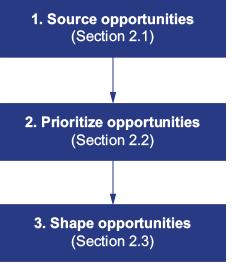
Use the opportunity-discovery process to place quick wins alongside longer-term AI investments and evaluate them against user impact, business value, and technical feasibility. section 2.4 section 2.0
