System integration connects separate tools, workflows, and services so they operate as composable parts of a larger platform. For development teams, these integrations enable continuous delivery and help organizations improve how they deliver software. section 1.1.2
In software delivery measurement, integration requires observing participating systems, capturing relevant data, aggregating it, and transforming it into metrics that expose bottlenecks. A durable design standardizes information consumption while allowing organizations to extend the model with additional metrics and sources. section 9.1.1
Common integration concerns include:
- Combining internal workflows with external services such as Salesforce or other CRM systems. section 1.1.2
- Connecting development systems to DORA-metric calculations through projects such as Four Keys or services such as LinearB. section 9.1.1
- Using CloudEvents and CDEvents to standardize information exchanged across delivery systems. section 9.1.1
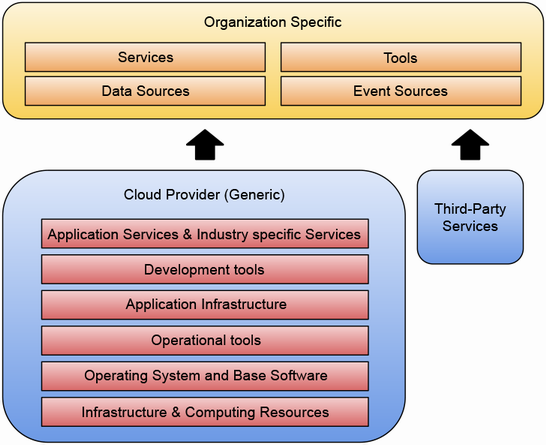
Organization-specific layers help map integrations between shared platform capabilities and team workflows. section 1.1.2


