A workspace is more than a desk or office: it is the setting that shapes how work feels and flows. For creative programming, the best setting is subjective. A train ride may create room to think for one person and motion sickness, noise, delays, and frustration for another. Rather than accepting a supposedly productive location on faith, notice where you can actually reflect, concentrate, and make progress. section 7.2.3
Changing location can also change perspective. Driving, walking, or briefly leaving a difficult problem may create enough mental distance to sort it out. This is not a rule that every task needs movement; it is an invitation to test whether stepping away refreshes attention better than forcing more desk time. Keep a way to capture notes when an idea arrives. section 7.2.3 section 7.6
Workspace design involves a tension between contact and concentration. Open offices may promise unexpected encounters, but noise can undermine creativity. Tiny isolated cubicles can be discouraging. A useful compromise creates shared routes and meeting points for informal exchanges while preserving enclosed areas where people can work through demanding implementation details without constant disruption. section 7.5.1
A hybrid workspace
Imagine a team area with a coffee route through a hallway, small closed rooms for focused tasks, and rearrangeable shared space. The hallway supports chance conversations; the closed rooms protect flow. Building 20 illustrates this flexible arrangement: varied departments and facilities shared one adaptable building, allowing interdisciplinary discussion alongside solitary concentration. section 7.5.1
Figure 7.6 The Salk Institute courtyard showcasing a mirrored structure containing strategically placed laboratories, utilities, office spaces overlooking the Pacific Ocean, and study areas. Photo courtesy of Adam Bignell, Unsplash.
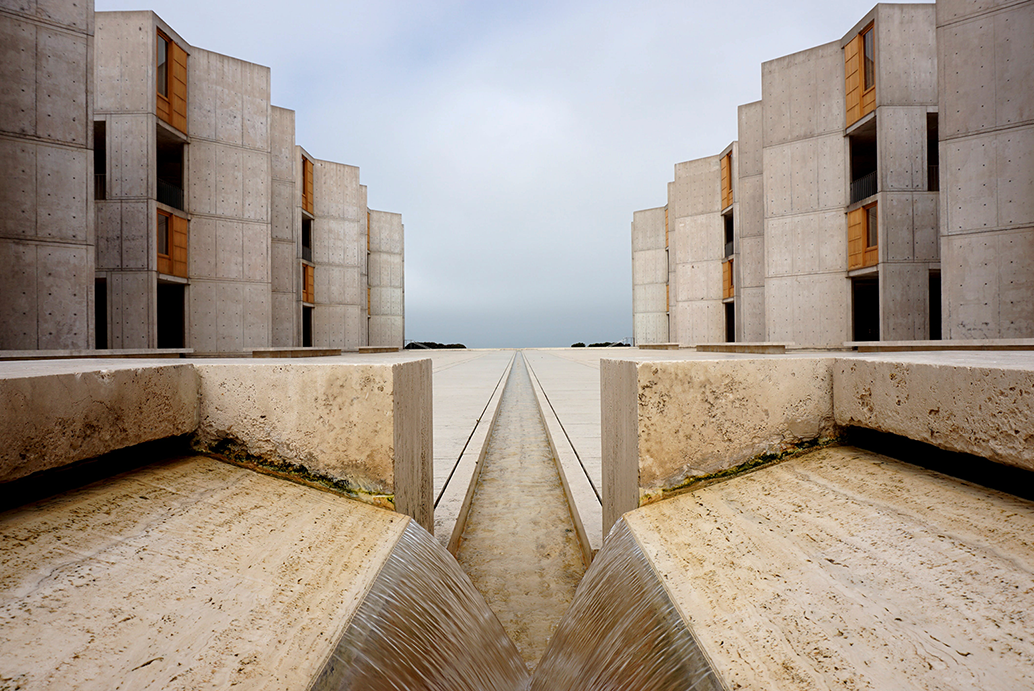
Use the Salk Institute image to inspect how a workspace can combine laboratories, offices, utilities, study areas, and shared outdoor space rather than treating work settings as a single room type. section 7.5.1
Choose a workspace as an actionable habit, not a fixed identity:
- Match deep, concentration-intensive work and shallow work to different settings when possible. section 7.6
- Reduce interruptive messages and reserve email checks for predetermined times when the team can support that arrangement. section 7.6
- Personalize a bare desk with surroundings that help you think, while respecting that colleagues may need different conditions. section 7.5.1 section 7.6
- Pause after an interruption to record your current train of thought before responding. section 7.6

