liveBook · Manning

Zeroization

As explained in Real-World Cryptography

Zeroization is the deliberate destruction or overwriting of secret data so that it cannot be recovered.

Zeroization deliberately destroys or overwrites secret data so attackers cannot recover it. Hardware security modules may trigger it when they detect physical intrusion. section 13.2.3

HSM protections differ by security level:

  • Level 3 devices wipe secrets when they detect intrusion. section 13.2.3
  • Level 4 devices can overwrite secret data multiple times, including during power outages, using backup internal batteries. section 13.2.3

ATM protection

When an ATM verifies a PIN through an HSM, zeroization represents one layer of protection for secrets held by the hardware. section 13.2.3

Figure 13.2 An IBM 4767 HSM as a PCI card. Photo from Wikipedia (http://mng.bz/XrAG).
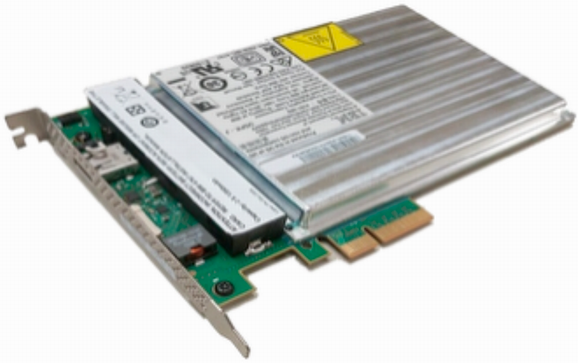
View an HSM as a physical PCI card, reinforcing that zeroization can be implemented inside dedicated hardware. section 13.2.3

How Real-World Cryptography covers it

How deep it goes
Defines deliberate secret destruction and distinguishes intrusion-triggered wiping from repeated overwriting during power loss.
Examples
Uses level 3 and level 4 HSM behavior, including ATM PIN verification and power-loss protection.
What you can do after
Evaluate how HSM security levels respond to intrusion and power outages through secret wiping or repeated overwriting.
How it connects
Connects hardware security modules with physical attacks, intrusion detection, backup batteries, and FIPS 140 security levels.

This explainer was generated by Manning's knowledge graph from the text of Real-World Cryptography. The section links point to the parts of the book it draws on.