Encryption in JavaScript Application Design
Encryption is a critical component in securely transmitting configuration within a code base. It ensures that sensitive information is protected from unauthorized access by encrypting files and sharing only their encrypted versions in repositories. The encryption keys, crucial for decrypting these files, should be kept safe and separate from the cloud, ideally stored on a physical device like a USB pen drive.
Overview of Encryption
The primary goal of encryption in a code base is to protect sensitive configuration files. By encrypting these files, developers can safely share them in repositories without exposing sensitive data. The decryption keys, however, should never be committed to source control. Instead, they should be distributed through secure means, such as physical handover.
Encryption Process
The encryption process typically involves the following steps:
- Key Generation: Create a private RSA key that will be used for both encryption and decryption.
- File Encryption: Use the private key to encrypt sensitive configuration files.
- File Transmission: Share the encrypted files within the code base, ensuring that only authorized parties can decrypt them using the private key.
Example: RSA Encryption with grunt-pemcrypt
An example of this process can be seen with the use of the grunt-pemcrypt package. This package facilitates the encryption and decryption of secure configuration files. The process involves:
- Generating a private RSA key.
- Encrypting sensitive files using this key.
- Transmitting the encrypted files along with the code base.
The example implementation is available in the source code listings under chapter 3 of the book.
Hardening Environment Configuration Security
To enhance the security of environment configurations, it is crucial to avoid committing decrypted configuration files or encryption keys to source control. Instead, encrypted files should be shared, and command-line tools should be used to decrypt them when necessary. This approach ensures that sensitive data remains protected even if the code base is accessed by unauthorized individuals.
Folder Structure for Secure Configuration
A recommended practice is to organize your files into two folders:
env/private: This folder contains unsecured data that has been decrypted. It should not be committed to source control.env/secure: This folder stores the encrypted files that are safe to share in repositories.
By maintaining this structure, you can ensure that sensitive data is only accessible to those with the appropriate decryption keys.
Configuration Encryption and Decryption Flow
The flow of configuration encryption and decryption using private RSA keys is illustrated in the following figure:
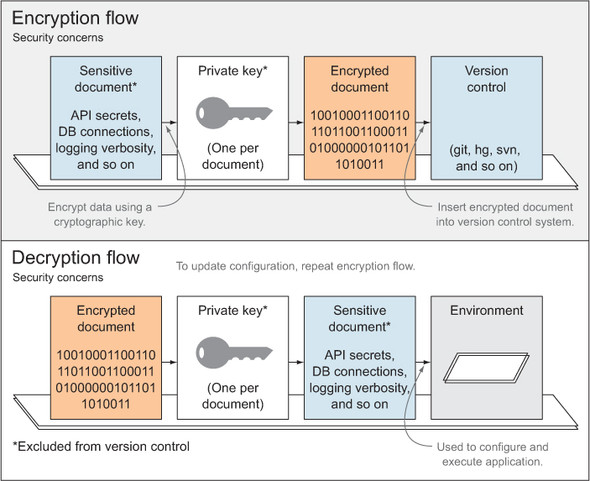 Figure 3.3. Configuration encryption and decryption flows using private RSA keys
This figure demonstrates the secure handling of configuration files, emphasizing the importance of keeping encryption keys separate from the encrypted data.
In summary, encryption is a vital practice in JavaScript application design for protecting sensitive configuration data. By following best practices such as using RSA keys, maintaining a secure folder structure, and keeping encryption keys safe, developers can ensure the security and integrity of their applications.
FAQ (Frequently asked questions)
How is encryption used to secure environment configuration in a code base?
What does Figure 3.3 illustrate in the context of encryption?
What package is used for encrypting and decrypting secure configuration files in the RSA encryption example?
What steps are involved in the RSA encryption example for securing configuration files?
What should you avoid committing to source control to enhance environment configuration security?
How can you decrypt encrypted configuration files securely?