Padding in Machine Learning
Padding is a fundamental concept in machine learning, particularly in the fields of deep learning and natural language processing. It involves adding extra elements to data structures to ensure uniformity in size, which is crucial for efficient processing and model training. Below, we explore the concept of padding in different contexts, including convolutional operations, convolutional neural networks, and large language models.
Padding in Convolution
Padding in Convolution is a technique used in convolutional operations to manage the boundaries of input arrays. When a convolutional kernel reaches the edges of an input, padding strategies are employed to handle the parts of the kernel that extend beyond the input. This is applicable in both one-dimensional (1D) and two-dimensional (2D) convolutions.
Types of Padding
-
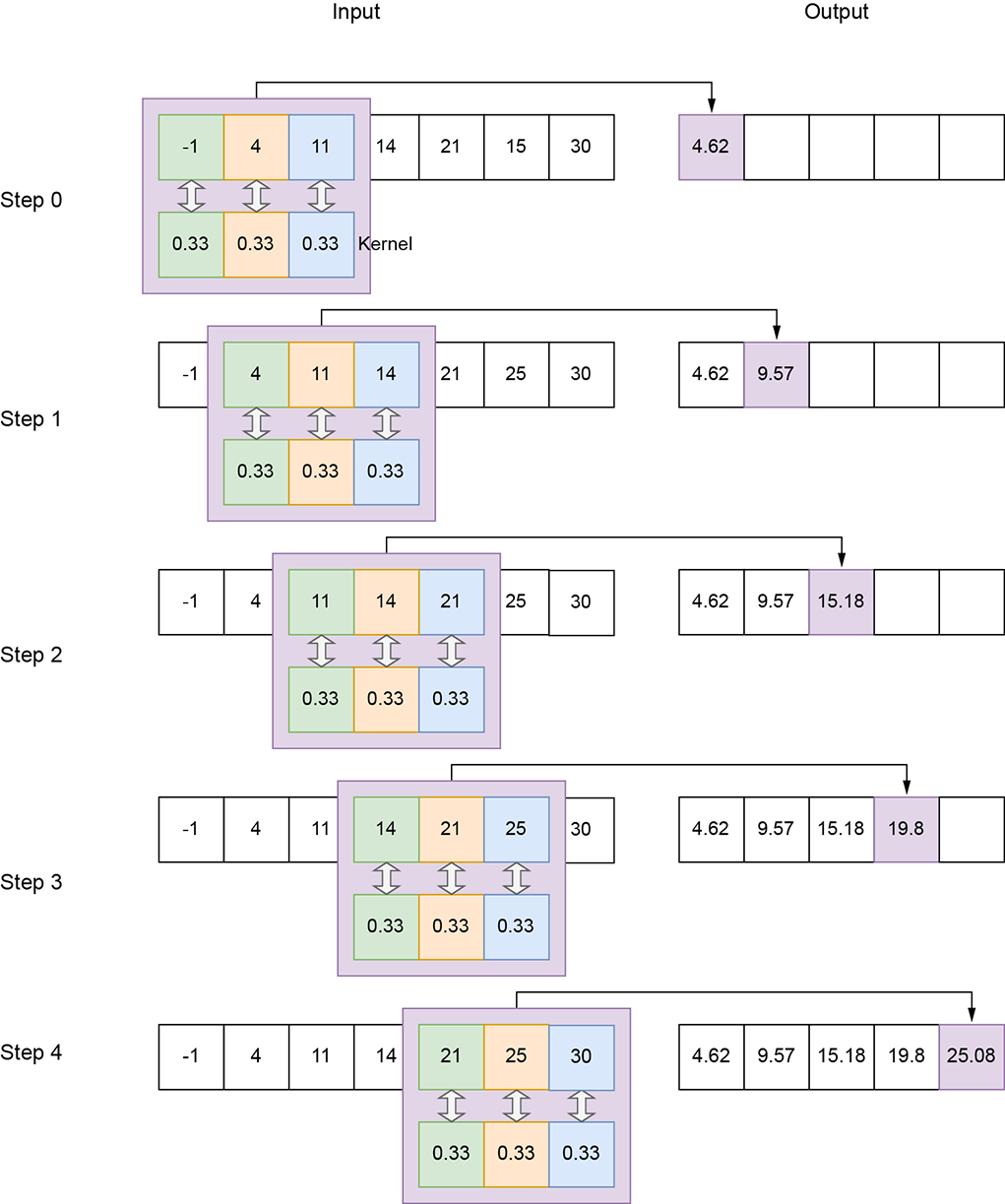
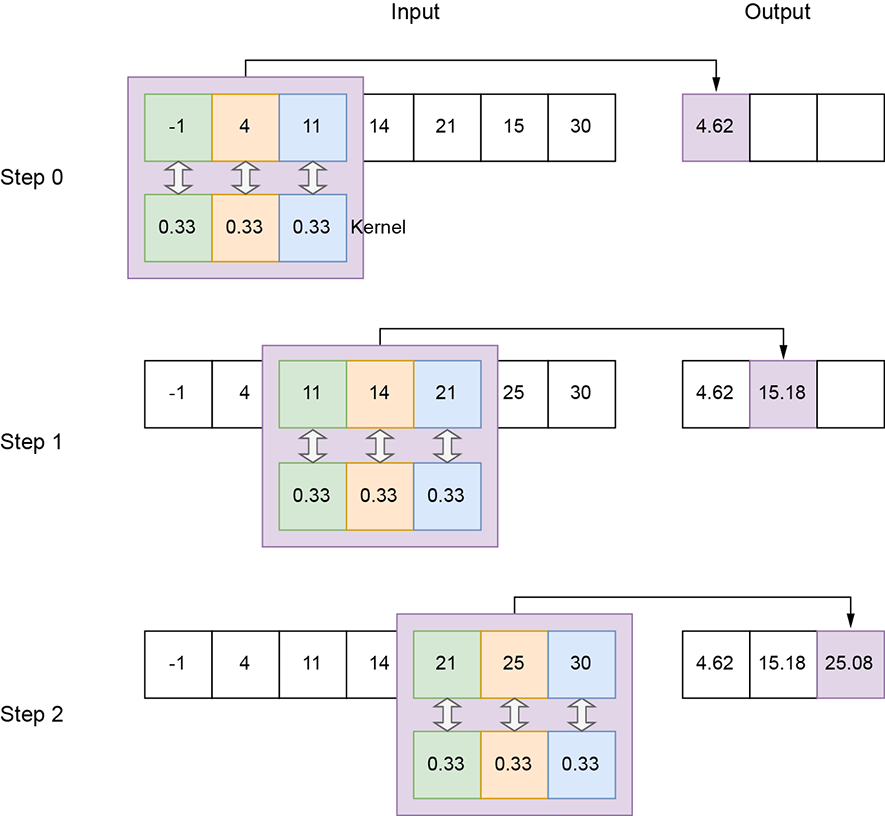
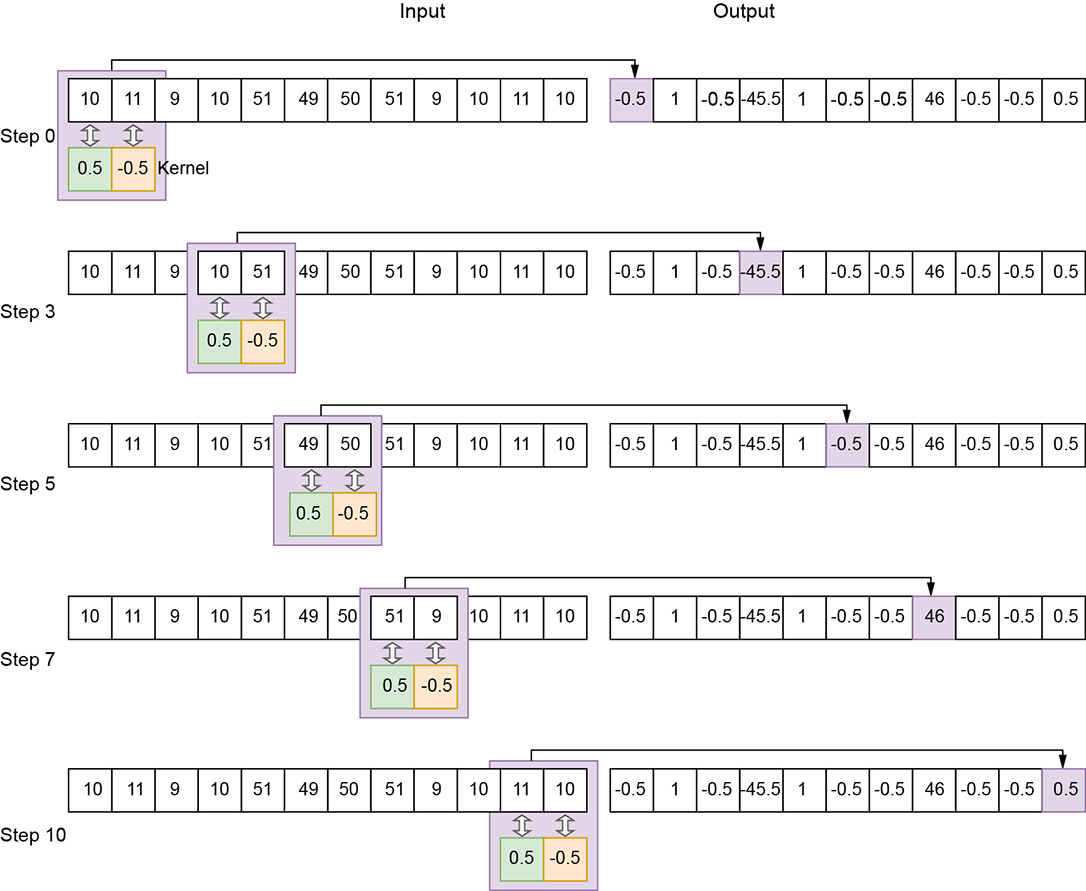
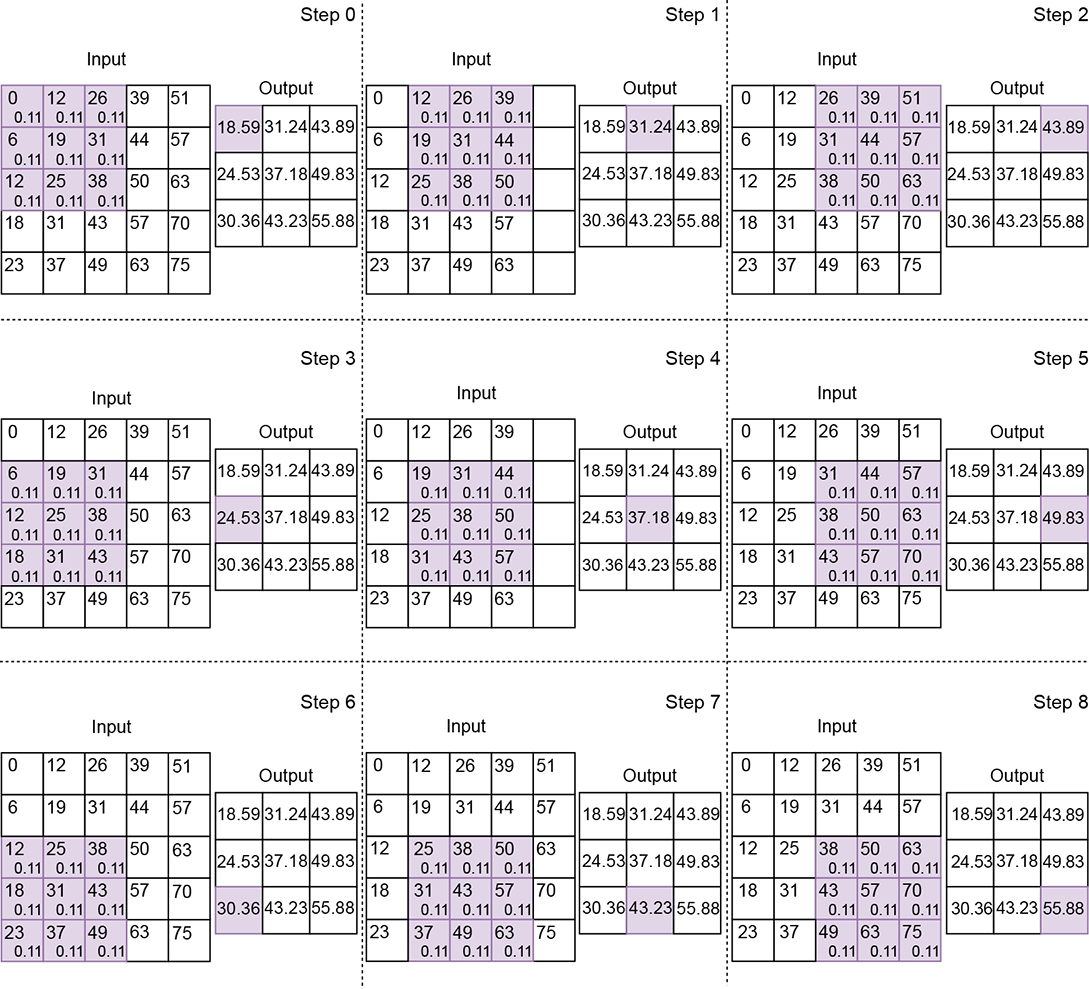
Valid Padding: In valid padding, the convolution operation stops sliding the kernel as soon as any part of it falls outside the input array. This results in an output size smaller than the input size. Figures 10.1, 10.2, and 10.3 illustrate valid padding in 1D convolution.
-
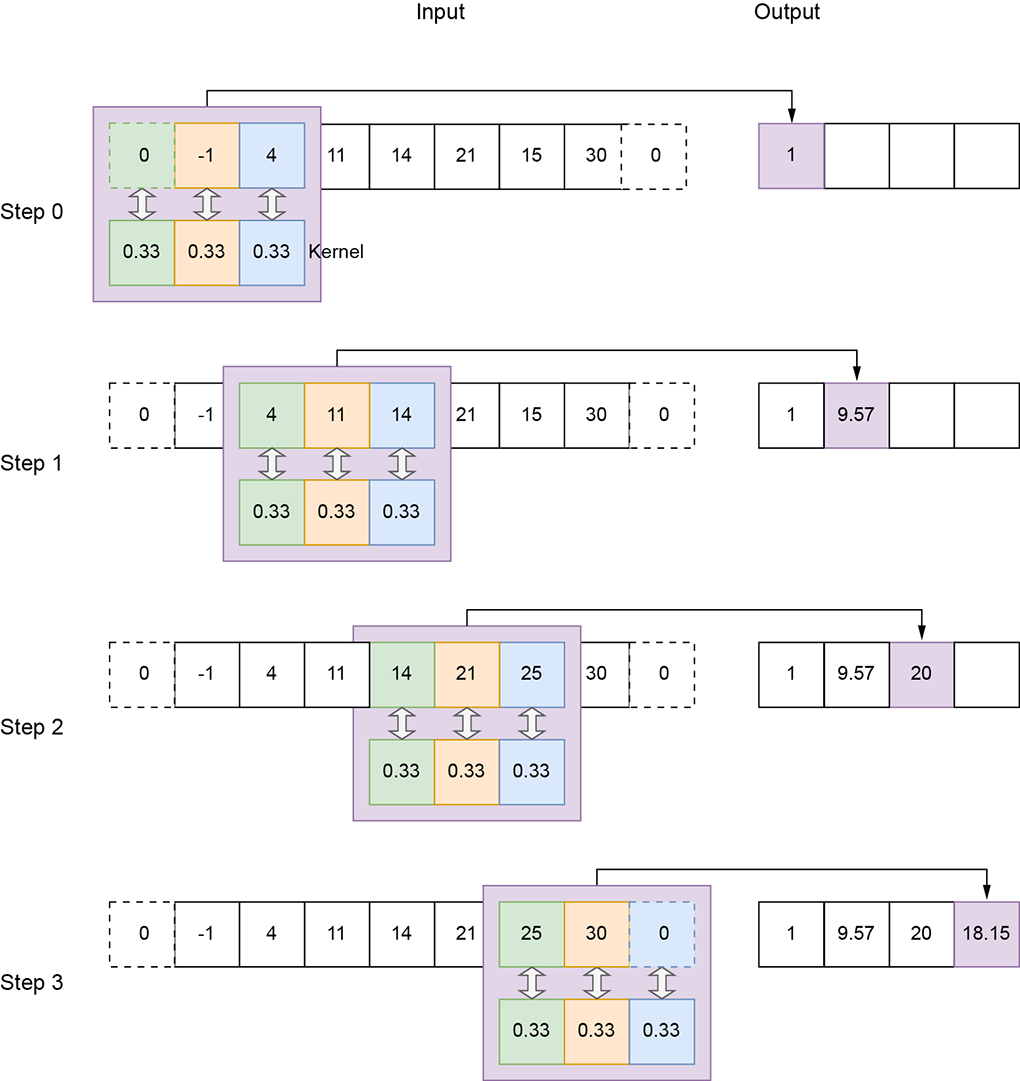
Same (Zero) Padding: Also known as zero padding, this strategy allows the kernel to slide across the entire input array by treating out-of-bounds elements as zeros. This ensures the output size matches the input size. See Figure 10.4 for an example.
Padding in 2D Convolution
In 2D convolution, padding involves adding extra pixels around the input image to control the spatial dimensions of the output. The principles of valid and same padding apply here as well. Figure 10.7 demonstrates 2D convolution with valid padding.
Padding in Convolutional Networks
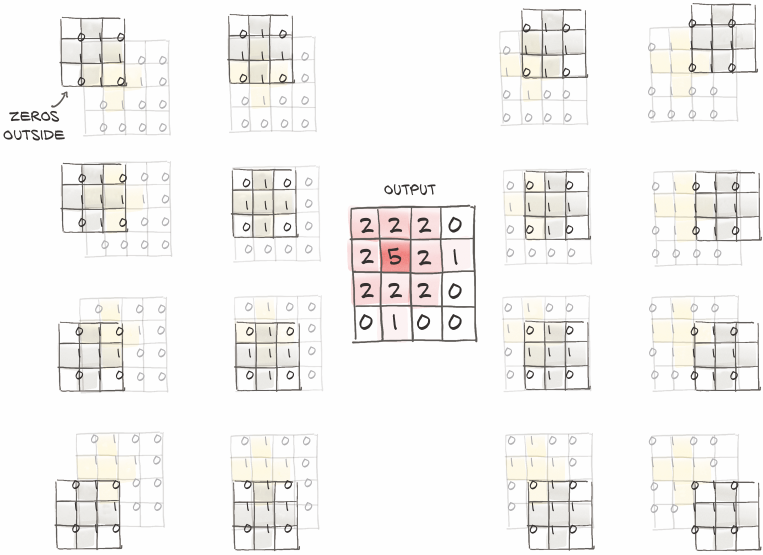
Padding in Convolutional Networks is essential for maintaining the output size after applying convolution operations in CNNs. This technique involves adding extra pixels around the input image, typically with a value of zero, to preserve spatial dimensions and allow convolutions at the image edges.
Purpose and Example
Padding ensures that the convolution operation can be applied to all pixels, including those at the edges, resulting in an output image with the same dimensions as the input. For example, a convolutional layer with a kernel size of 3 and padding of 1 retains the input image size. The following code snippet demonstrates padding in PyTorch:
conv = nn.Conv2d(3, 1, kernel_size=3, padding=1)
output = conv(img.unsqueeze(0))
img.unsqueeze(0).shape, output.shape
Figure 8.3 visually represents padding by adding zero-value pixels around the input image.
Padding in Large Language Models
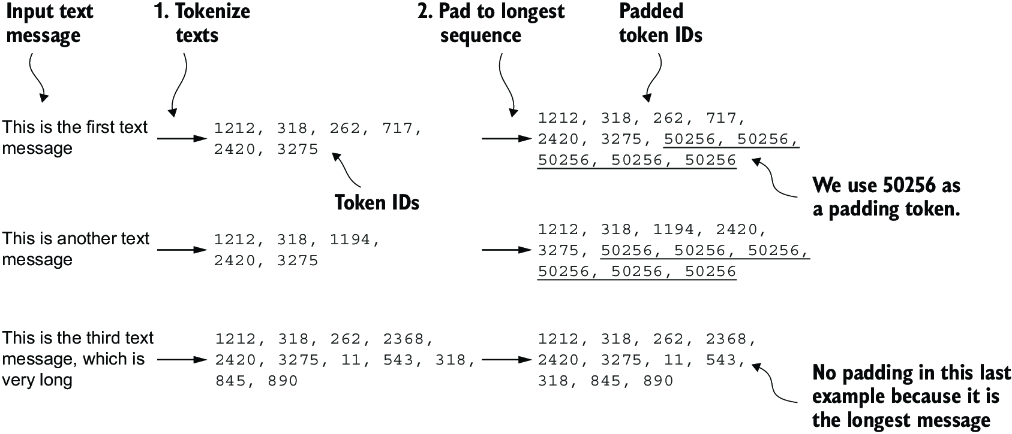
Padding in Large Language Models is crucial for training models with batches of sequences of varying lengths. Padding ensures uniform sequence lengths within a batch, facilitating efficient batch processing.
The Role of Padding
Padding aligns sequences to the same length, simplifying computation and enabling parallel processing. A specific token, often the padding token, is used to fill extra space in shorter sequences. For instance, the GPT-2 model uses token ID 50256 as the padding token. Figure 6.6 illustrates this process.
Implementing Padding
A custom collate function can be used to implement padding, ensuring all sequences in a batch are padded to the same length. This minimizes unnecessary padding by matching the longest sequence in each batch. The following code snippet demonstrates this:
def custom_collate_fn(batch, pad_token_id=50256, ignore_index=-100, allowed_max_length=None, device="cpu"):
    # Implementation details
Handling Padding in Loss Calculation
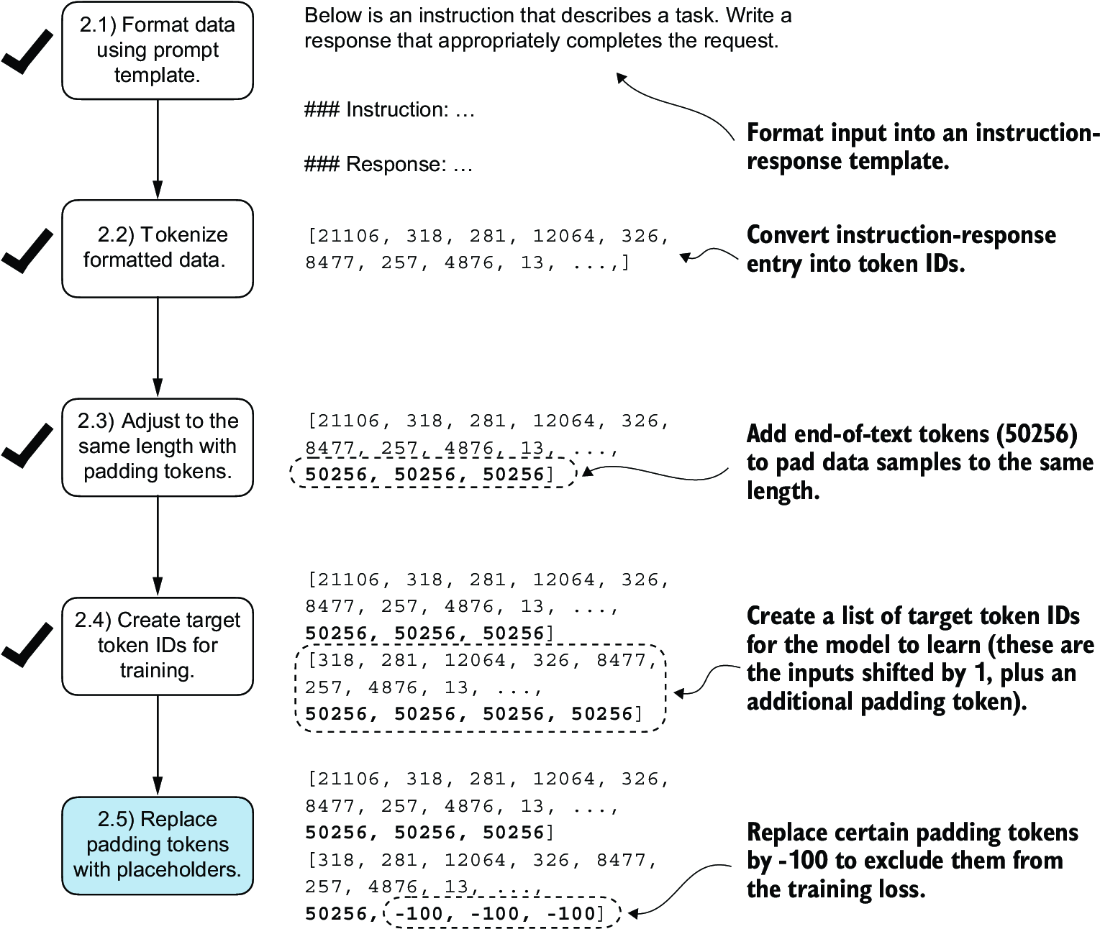
During training, padding tokens are replaced with a placeholder value, typically -100, to ensure they do not contribute to the loss calculation. Figure 7.11 shows the process of handling padding in loss calculation.
In summary, padding is a versatile technique used across various machine learning applications to ensure data uniformity, preserve spatial dimensions, and facilitate efficient processing.
Here's a markdown table comparing how different books discuss the term 'padding':
| Book Title | Usage of Padding | Technical Depth | Connections to Other Concepts | Examples Used | Practical Application | |------------|------------------|-----------------|-------------------------------|---------------|-----------------------| | Math and Architectures of Deep Learning | Discusses padding in the context of convolutional operations, explaining valid and same padding strategies. more | Detailed explanation of padding types and their impact on output size. more | Connects padding to convolutional layers and their function in deep learning models. more | Uses figures to illustrate 1D and 2D convolution with different padding strategies. more | Emphasizes the role of padding in controlling output dimensions in deep learning. more | | Deep Learning with PyTorch, Second Edition | Focuses on padding in CNNs to maintain output size and preserve spatial dimensions. more | Provides a practical code example using PyTorch to demonstrate padding. more | Links padding to convolutional operations and spatial dimension preservation. more | Includes a visual representation of padding in CNNs. more | Highlights the importance of padding for effective feature extraction in CNNs. more | | Build a Large Language Model (From Scratch) | Describes padding in the context of aligning sequence lengths for batch processing in language models. more | Explains the use of padding tokens and custom collate functions for efficient training. more | Connects padding to batch processing and sequence alignment in language models. more | Provides code snippets and figures to illustrate padding implementation. more | Discusses handling padding in loss calculation and retaining end-of-text tokens. more |
Each book provides a unique perspective on the concept of padding, tailored to its specific application in deep learning and language models.
FAQ (Frequently asked questions)
What is padding in convolutional networks?
Why is padding used in convolutional networks?
How does padding affect the image size in convolutional networks?
What does Figure 8.3 illustrate about padding?
How does padding affect the output shape in a convolutional layer?
What is the effect of using padding in the given PyTorch example?