Future Trait in Rust
The Future trait in Rust is a fundamental component of asynchronous programming. It represents an asynchronous computation that will eventually produce a value. This trait is essential for writing non-blocking code, allowing developers to handle operations that may take time, such as I/O operations, without freezing the entire program.
Definition and Structure
The Future trait is defined as follows:
pub trait Future {
    type Output;
    fn poll(self: Pin<&mut Self>, cx: &mut Context<'_>) -> Poll<Self::Output>;
}
Components of the Future Trait
- Output Type: The
Outputtype is the result of the computation once the future is complete. - Poll Method: The
pollmethod is used by the async runtime to check if the computation is complete. It returns eitherPoll::Pendingif the computation is not yet complete, orPoll::Ready(val)if the computation has finished and produced a value.
Implementing Custom Futures
Creating a custom future involves defining a type that implements the Future trait, specifying the output type, and providing a poll method. This method determines if the future is ready to produce a value or if it should be polled again later.
Example: Custom Future with Async Timer
Below is an example of implementing a custom future using an async timer:
use std::future::Future;
use std::pin::Pin;
use std::task::{Context, Poll};
use std::time::{Duration, Instant};

struct AsyncTimer {
    expiration_time: Instant,
}

impl Future for AsyncTimer {
    type Output = String;

    fn poll(self: Pin<&mut Self>, cx: &mut Context<'_>) -> Poll<Self::Output> {
        if Instant::now() >= self.expiration_time {
            println!("Hello, it's time for Future 1");
            Poll::Ready(String::from("Future 1 has completed"))
        } else {
            println!("Hello, it's not yet time for Future 1. Going to sleep");
            let waker = cx.waker().clone();
            let expiration_time = self.expiration_time;
            std::thread::spawn(move || {
                let current_time = Instant::now();
                if current_time < expiration_time {
                    std::thread::sleep(expiration_time - current_time);
                }
                waker.wake();
            });
            Poll::Pending
        }
    }
}
Explanation
- Pinning: Futures need to be pinned to a specific memory location to ensure safe execution. This is achieved using the
Pintype. - Context and Waker: The
Contextprovides the context of the async task, including aWakerthat can be used to wake the task when it is ready to be polled again. - Poll Method: The
pollmethod checks if the current time has reached the expiration time. If so, it returnsPoll::Readywith a message. Otherwise, it sets up a thread to wake the task when the time is right and returnsPoll::Pending.
Figures Illustrating Custom Futures
[Figure 10.7: Implementing a Custom Future](https://livebook.manning.com/book/rust-servers-services-and-apps/chapter-10/140)
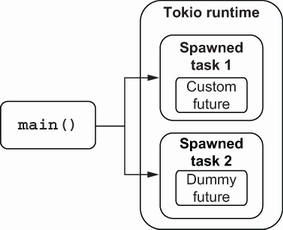 Figure 10.7 Implementing a custom future
[Figure 10.8: Spawning Async Tasks with Futures](https://livebook.manning.com/book/rust-servers-services-and-apps/chapter-10/140)
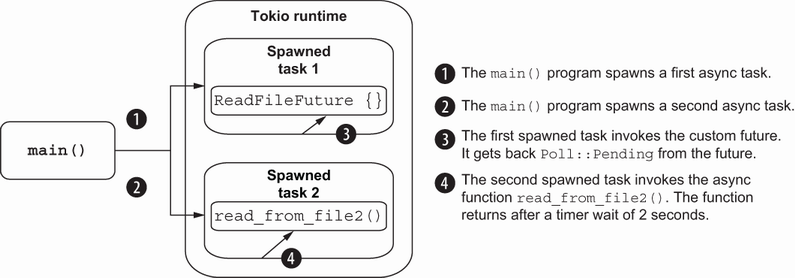 Figure 10.8 Spawning async tasks with futures, step 1
[Figure 10.9: Writing a Future with a Waker Component](https://livebook.manning.com/book/rust-servers-services-and-apps/chapter-10/140)
 Figure 10.9 Writing a future with a waker component, step 2
[Figure 10.11: Custom Future with Poll::Ready](https://livebook.manning.com/book/rust-servers-services-and-apps/chapter-10/140)
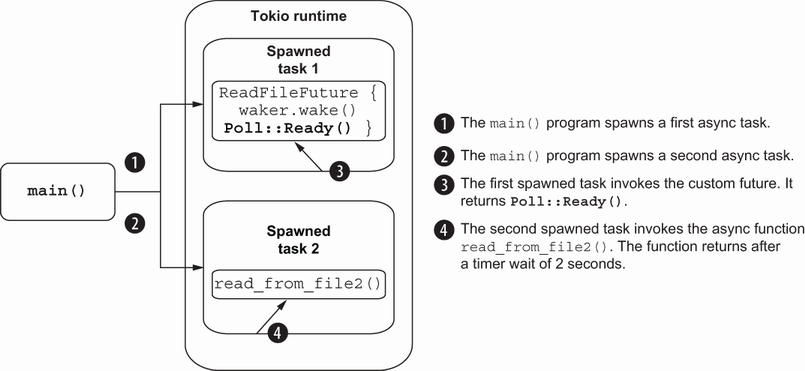 Figure 10.11 Custom future with Poll::Ready, step 3
[Figure 10.12: Custom Future with Expiration Time](https://livebook.manning.com/book/rust-servers-services-and-apps/chapter-10/189)
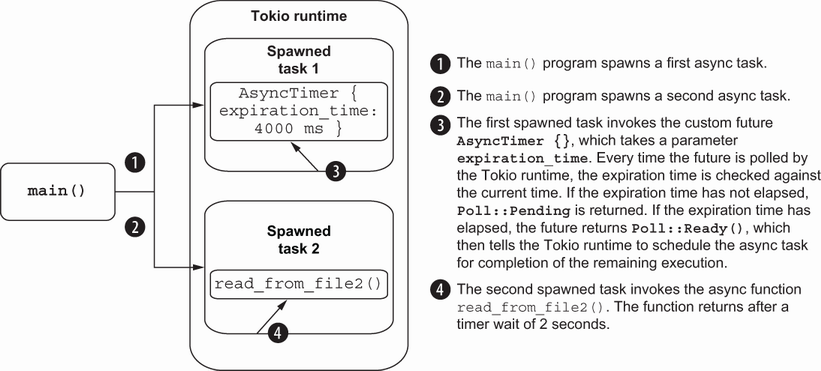 Figure 10.12 Custom future with expiration time, step 4
These figures illustrate the process of implementing and using custom futures in Rust, showcasing the interaction between the poll method, the Waker, and the async runtime.
FAQ (Frequently asked questions)
What does the Future trait represent in Rust?
What is the Output type in the Future trait?
What does the poll method do in the Future trait?
What is the signature of the Future trait in Rust?
What is required to implement the Future trait in Rust?
What does the poll method return in the Future trait?
How do you implement a custom future in Rust?
What is the purpose of the Pin type in Rust futures?
What does the Context parameter do in the poll method?
What is the role of the Future trait in Rust's asynchronous programming?
How do you determine if a custom future is ready to produce a value?
How does the AsyncTimer struct implement the Future trait?
What happens if the current time is not greater than the expiration time in AsyncTimer?
What is the purpose of the async timer in a custom future?
How does the async timer inform the async runtime executor to reschedule the task?