Network Behavior
Overview
Network behavior in libp2p is a crucial concept that defines what bytes to send and to whom, rather than how to send those bytes, which is the role of transport. This distinction allows for a flexible and modular approach to building peer-to-peer (P2P) applications. Examples of network behaviors include:
- Ping: A simple mechanism to check the availability of a peer.
- mDNS (Multicast DNS): Used for peer discovery within a local network.
- Kademlia: A distributed hash table (DHT) protocol used for peer and content routing.
A single node can be associated with multiple network behaviors, allowing it to perform various roles and functions within a P2P network.
Implementing Network Behavior with Swarm
To manage network behavior in a libp2p application, the Swarm component is used. Swarm acts as the network manager for a node, providing a low-level interface that offers fine-grained control over the network. It is constructed using a combination of transport, network behavior, and the peer ID of the node.
Example Code
Below is an example of how to set up a Swarm with a dummy network behavior in a Rust application:
use libp2p::swarm::{DummyBehaviour, Swarm, SwarmEvent};
use libp2p::futures::StreamExt;
use libp2p::{identity, PeerId};
use std::error::Error;

#[tokio::main]
async fn main() -> Result<(), Box<dyn Error>> {
    let new_key = identity::Keypair::generate_ed25519();
    let new_peer_id = PeerId::from(new_key.public());
    println!("local peer id is: {:?}", new_peer_id);
    let behaviour = DummyBehaviour::default();
    let transport = libp2p::development_transport(new_key).await?;
    let mut swarm = Swarm::new(transport, behaviour, new_peer_id);
    swarm.listen_on("/ip4/0.0.0.0/tcp/0".parse()?)?;

    loop {
        match swarm.select_next_some().await {
            SwarmEvent::NewListenAddr { address, .. } => {
                println!("Listening on local address {:?}", address)
            }
            _ => {}
        }
    }
}
Explanation
- Swarm Initialization: The
Swarmis initialized with a transport, a dummy network behavior, and a peer ID. This setup allows the node to manage its network interactions. - Listening for Events: The
Swarmis continuously polled to listen for events, such as the creation of a new listen address. This is crucial for maintaining active network participation and responding to network changes.
Visual Representation
The structure and context of Swarm in managing a P2P node is depicted in Figure 11.5.
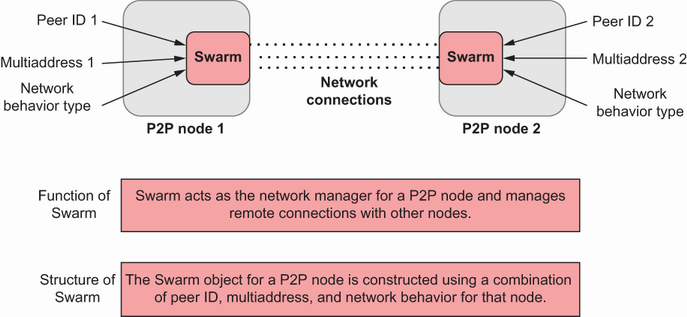 Figure 11.5 Network management for a P2P node
This figure illustrates how Swarm integrates with other components to facilitate network management, highlighting its role in handling network behaviors and events.
FAQ (Frequently asked questions)
What does network behavior specify in libp2p?
How does network behavior differ from transport in libp2p?
What are some examples of network behavior in libp2p?
Can a single node have multiple network behaviors in libp2p?