liveBook · Manning

Architecture guild

As explained in Architecture Modernization: Socio-technical alignment of software, strategy, and structure

An architecture guild is a decentralized organizational approach for establishing architectural principles and making decisions that affect broad parts of an organization.

An architecture guild decentralizes architectural decisions, principles, and knowledge across medium and large organizations. It helps establish cross-cutting standards without creating a centralized bottleneck that slows team-level fast flow. section 15.3.2 section 15.8

The guild should fit the organization’s needs rather than follow a fixed template. Its operating model makes the motivation, roles, responsibilities, shared problems, and globally useful solutions explicit. section 15.3.2

A practical starting point defines:

  • Motivation: why the guild exists, such as maintaining architectural standards while empowering teams to achieve fast flow. section 15.3.2
  • Roles and responsibilities: what the guild does, including identifying shared problems and globally applicable solutions. section 15.3.2

Replacing the centralized bottleneck

A medium or large organization can use a guild instead of relying solely on a centralized architecture team or review board to establish standards affecting hundreds or thousands of engineers. section 15.3.2
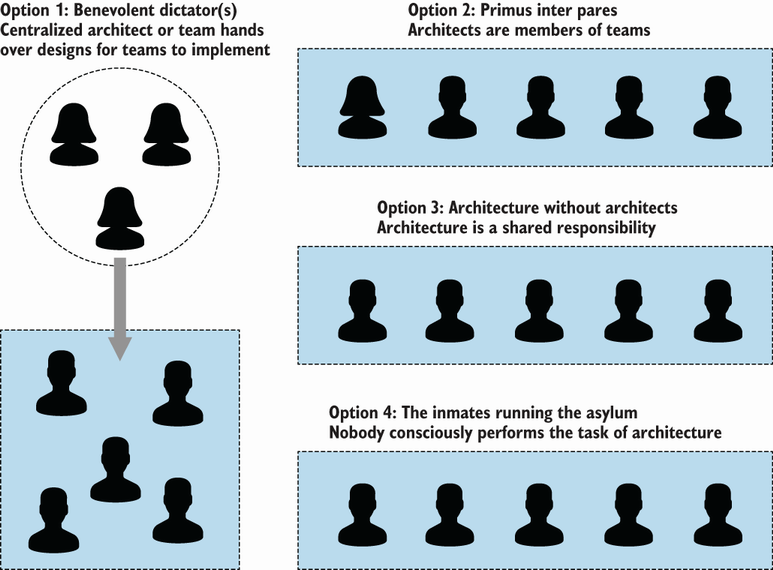
Figure 15.6 Options for organizing architects

Compare organizational options for distributing architect responsibilities before choosing a guild structure. section 15.3.2

How Architecture Modernization: Socio-technical alignment of software, strategy, and structure covers it

How deep it goes
Defines the purpose and responsibilities of a guild, but stops short of prescribing a universal organizational design.
Examples
Uses guild motivations, role definitions, shared problems, global solutions, and comparisons with centralized architecture teams.
What you can do after
Build it from scratch by defining the guild’s motivation, roles, responsibilities, and organization-specific structure.
How it connects
Connects architecture operating models, architecture roles, centralized review boards, and fast flow.

Related concepts

This explainer was generated by Manning's knowledge graph from the text of Architecture Modernization: Socio-technical alignment of software, strategy, and structure. The section links point to the parts of the book it draws on.